
Baling Press Machine: Types, Applications, and Benefits
Baling Press Machine Manufacturer In India

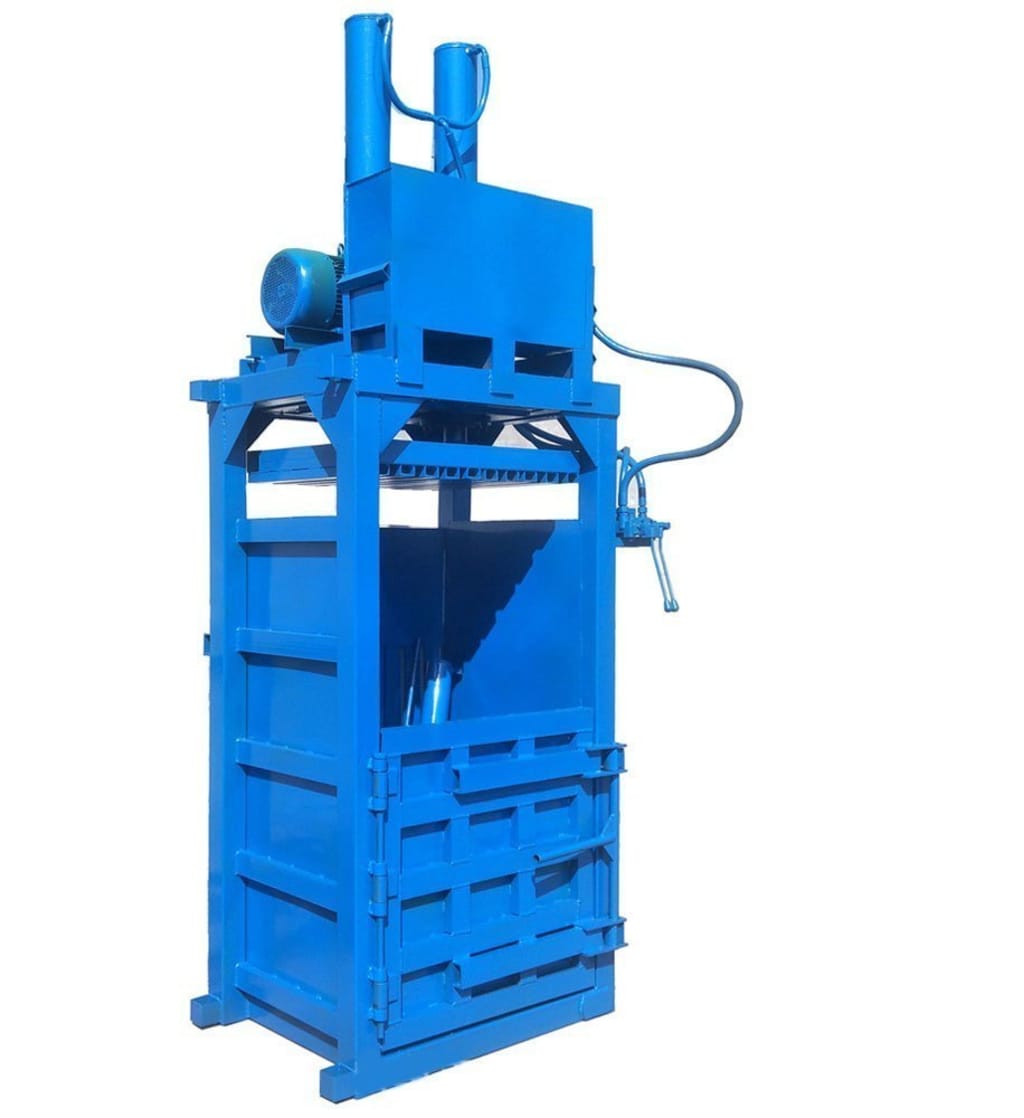
In industries that handle large amounts of waste, recycling, or material handling, efficient waste management is crucial. A baling press machine plays a pivotal role in this process, compacting various types of waste materials into dense bales for easy storage, transport, and recycling. This guide explores the fundamentals of baling press machines, their types, applications, and the benefits they offer to industries across different sectors.
What is a Baling Press Machine?
A baling press machine, also known as a baler, is a mechanical device used to compress waste materials like cardboard, paper, plastics, metals, and other recyclables into compact, manageable bales. These machines are designed to reduce the volume of waste, making it easier to transport and store. The baling process involves placing loose materials into the machine’s chamber, where hydraulic or mechanical force compresses them into dense blocks, which are then tied or strapped for stability.
Baling machines come in a wide range of sizes and capabilities, from small, manual machines to large, fully automatic industrial systems. They are widely used in industries such as manufacturing, recycling, agriculture, and retail.
Types of Baling Press Machine
Baling press machines can be classified based on their operational mechanism, type of waste they handle, and their level of automation. The most common types include:
1. Vertical Balers
Vertical balers are the most common type, particularly suited for small to medium-sized operations. In a vertical baler, the waste material is loaded into the machine from the front, and the pressing plate compresses the material vertically. These machines are ideal for compacting cardboard, plastic, paper, and other similar materials. Vertical balers are typically less expensive and take up less floor space, making them ideal for businesses with limited space.
Key Features:
• Compact design.
• Suitable for smaller volumes of waste.
• Manual or semi-automatic operation.
• Ideal for businesses like retail stores and small recycling centers.
2. Horizontal Balers
Horizontal balers are larger machines designed for high-volume operations. In these machines, waste is fed from the top or side, and the compression plate presses the material horizontally. Horizontal balers are highly efficient and can handle larger volumes of waste, including heavy materials like metals and plastics. These machines can be fully automated, significantly increasing productivity.
Key Features:
• Suitable for large-scale waste management.
• Fully automated or semi-automated operation.
• Ideal for industries with high waste production, such as manufacturing plants and recycling facilities.
• Capable of producing larger, heavier bales compared to vertical balers.
3. Two-Ram Balers
Two-ram balers are a type of horizontal baler but with a dual-ram design, allowing them to produce denser bales. They are highly versatile and can process a wide range of materials, including plastics, metals, textiles, and more. These balers offer excellent compaction and can handle bulky materials more efficiently.
Key Features:
• Dual-ram design for denser bales.
• Ideal for diverse material processing.
• Used in industries dealing with high-density waste materials.
4. Auto-Tie Balers
Auto-tie balers are fully automatic machines that not only compress the waste but also tie the bales automatically. These machines are highly efficient and require minimal operator intervention, making them ideal for large recycling operations where labor costs need to be minimized.
Key Features:
• Fully automated operation.
• Auto-ties bales for enhanced productivity.
• Suitable for large recycling centers and high-volume waste processors.
Applications of Baling Press Machines
Baling press machines are essential in various industries, helping streamline waste management and material recycling. Below are some of the common applications:
1. Recycling Centers
Recycling centers are one of the most common users of baling press machines. These machines help compress recyclable materials such as cardboard, plastic, and metals into manageable bales. The compacted bales are easier to transport, reducing shipping costs and making the recycling process more efficient.
2. Retail Industry
Large retail stores generate significant amounts of cardboard and plastic waste from packaging. Baling machines help these businesses compress their waste, freeing up valuable space and making waste disposal more efficient. Retailers use vertical balers for their space-saving design and ease of operation.
3. Manufacturing Plants
Manufacturing plants produce a large amount of scrap material, including metals, plastics, and paper. Baling press machines help these plants manage their waste efficiently, reducing the volume of waste that needs to be stored or transported. By compacting scrap materials, manufacturers can save on disposal costs and improve recycling rates.
4. Agriculture
In the agricultural sector, baling press machines are used to compress materials like hay, straw, and other organic materials. Farmers use balers to store these materials efficiently and make transportation easier. Additionally, these machines help in reducing the risk of spoilage by compacting materials into tightly bound bales that are easier to handle and store.
5. Waste Management Companies
Baling press machines are also crucial in the operations of waste management companies. These companies handle large volumes of mixed waste, including recyclables. By using balers, they can sort and compress the materials, making it easier to separate and recycle different types of waste.
Benefits of Baling Press Machine
The use of baling press machines offers numerous benefits to businesses across different sectors. These benefits include:
1. Reduced Waste Volume
One of the primary advantages of using baling machines is the significant reduction in waste volume. Compressing waste materials into dense bales reduces the amount of space required for storage and transport, helping businesses save on space and shipping costs.
2. Cost Savings
By reducing the volume of waste, businesses can save on waste disposal and transportation costs. Compacted bales are easier and more economical to transport, reducing the frequency of waste pickups. This is particularly beneficial for companies that generate large amounts of recyclable materials.
3. Improved Waste Management
Baling press machines allow businesses to manage their waste more efficiently. Instead of dealing with loose, bulky materials, businesses can compact their waste into neatly stacked bales, making the process of recycling or disposal more organized and streamlined.
4. Environmental Benefits
Baling press machines contribute to environmental sustainability by promoting recycling. By compacting materials like cardboard, plastics, and metals, these machines make it easier to recycle waste instead of sending it to landfills. This helps reduce the environmental impact of waste disposal and promotes a circular economy.
5. Labor Efficiency
Automated and semi-automated baling machines can significantly reduce the amount of manual labor required in waste management. This increases operational efficiency and reduces the risk of worker injuries associated with handling loose or bulky materials.
Conclusion
Baling press machine play a vital role in improving the efficiency of waste management and recycling processes across various industries. From retail and manufacturing to agriculture and waste management, these machines help businesses reduce their waste volume, save costs, and contribute to environmental sustainability. With different types of balers available, ranging from small vertical models to large, fully automated horizontal machines, businesses can choose the best solution to meet their specific waste management needs.
By investing in a baling press machine, companies not only streamline their waste handling processes but also enhance their overall operational efficiency while supporting global sustainability efforts.
About the Creator
Kelvin Water Tech
Kelvin Water Technologies Pvt Ltd delivers turnkey projects & solutions in the field of water, wastewater treatment and waste management solutions. We offers efficient solutions for recycle & Zero Liquid Discharge Systems.www.kelvinindia.in
Keep reading
More stories from Kelvin Water Tech and writers in 01 and other communities.
Transforming Food Waste: The Revolutionary Power of Food Waste Composter
Food waste has long been a global issue, contributing significantly to environmental degradation and resource wastage. One promising solution that has gained traction in recent years is the food waste composter. This innovative technology has the potential to transform the way we handle organic waste, turning it into valuable compost while reducing the burden on landfills and curbing greenhouse gas emissions. In this exploration, we delve into the workings, benefits, and prospects of food waste composters.
By Kelvin Water Tech2 years ago in Earth
Transforming Developmental Support Through Data-Driven Digital Care Solutions
Operant Systems is at the heart of an emerging trend that is centered around quantifiable improvement and ethical care provision to people with autism spectrum. Centered on clinical rigor and practical implementation, the organization presents solutions that bring technology into the therapeutic objectives. In this context, the application of autism software and operant behavior (ABA) is placed in the role of complementary components that facilitate the process of structured learning, regular reinforcement, and transparent tracking of progress in care facilities in the United States.
By Kashif Khana day ago in 01



Comments
There are no comments for this story
Be the first to respond and start the conversation.