
AR or VR
Which One Will Shape the Future of Gaming and Beyond?

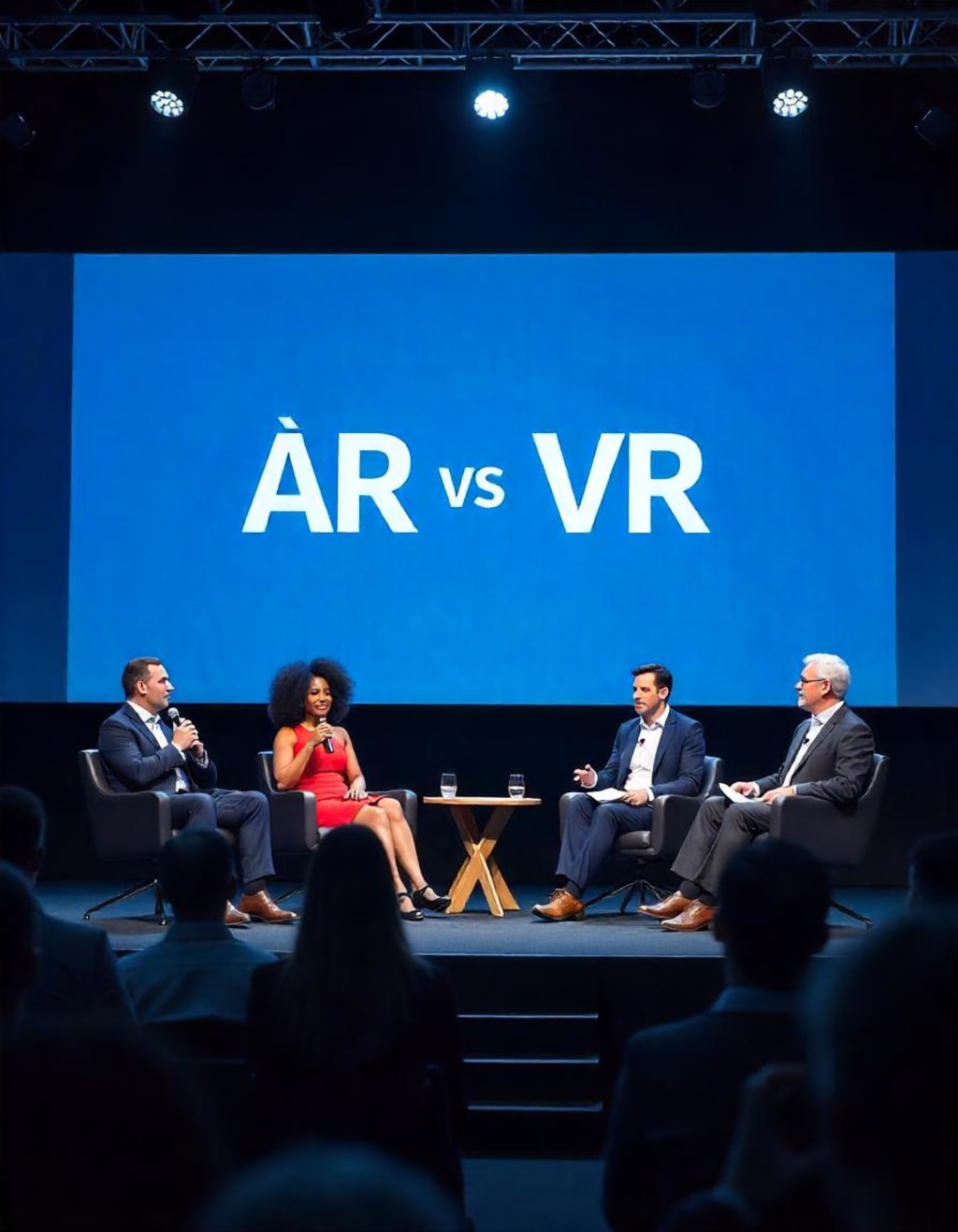
The tech world is buzzing with two major innovations: Augmented Reality (AR) and Virtual Reality (VR). Both of these immersive technologies are revolutionizing gaming and various industries. But which one will ultimately shape the future of gaming—and go beyond it into other sectors? Let’s take a deep dive into the differences between AR and VR, and explore how each is changing the game (literally) in their unique ways.
What is Augmented Reality (AR)?
Augmented Reality (AR) overlays digital information onto the physical world in real-time. Unlike Virtual Reality (VR), AR does not replace the real world but enhances it. Think of it as a virtual layer that augments what you already see.
For example, Pokémon Go lets players see Pokémon in their real-world environment through their smartphone screens. AR isn’t limited to games—it's also used in fields like navigation (e.g., Google Maps AR), education, and even shopping (like trying on makeup via your phone).
AR in Gaming: How it’s Changing the Experience
Gaming with AR is about blending the virtual with the real. Games like Pokémon Go have made AR mainstream by allowing players to interact with virtual characters and elements within the real world. You’re no longer just looking at a screen—you're stepping into a universe that coexists with your physical surroundings.
The Benefits of AR in Gaming
AR gaming offers some unique advantages:
Increased Engagement: Players interact with both the game world and their environment, creating an immersive experience.
Accessibility: Unlike VR, AR doesn’t require expensive equipment, making it more accessible to a larger audience.
Real-World Interactivity: The ability to incorporate the player’s environment into the game opens up endless creative possibilities.
What is Virtual Reality (VR)?
Virtual Reality, on the other hand, takes you into an entirely immersive world, blocking out your surroundings and replacing them with a computer-generated environment. VR requires specialized equipment like headsets (e.g., Oculus Rift, HTC Vive), motion controllers, and sometimes even treadmills.
VR in Gaming: Immersive Experiences
In VR, players are fully immersed in a new world. When you put on a VR headset, you’re not just looking at a screen—you are in the game. You can look around, interact with objects, and feel as if you are truly a part of the game world. This immersion can’t be achieved with AR, which still requires you to be aware of the real world around you.
The Benefits of VR in Gaming
VR offers gamers an unprecedented level of immersion. Here are a few of its key benefits:
Full Immersion: VR creates a sensory-rich environment that makes players feel like they are truly in the game.
Physical Interaction: Unlike traditional gaming, VR lets players physically interact with their virtual surroundings, enhancing the experience.
Expansive Worlds: VR allows for more expansive, detailed worlds that players can explore without limitations.
Key Differences Between AR and VR
At first glance, AR and VR might seem similar, but they cater to different types of experiences. Let’s break down some of the key differences:
User Interaction
With AR, users can see and interact with both the real world and virtual elements. It doesn’t require you to disconnect from your surroundings—AR enhances them. In contrast, VR completely immerses users in a virtual world, cutting them off from reality.
Hardware Requirements
AR typically runs on smartphones, tablets, or specialized glasses (like Microsoft’s HoloLens). VR requires specialized hardware, such as a headset and controllers, which can be more expensive and cumbersome.
AR Devices vs. VR Devices
AR devices are generally lighter and more portable, like mobile phones or wearables, making them easier to use for casual or extended sessions. VR, on the other hand, requires bulkier headsets that provide a more immersive experience but at the cost of mobility.
The Future of AR and VR in Gaming
Both AR and VR are shaping the future of gaming, but how?
Advances in AR for Gaming
As AR technology continues to evolve, expect to see even more sophisticated games that blend the real world with the digital world. From advanced AR headsets to improved location-based gaming, the future of AR is bright.
The Growth of VR in Gaming
With advancements in hardware and technology, VR gaming is set to grow even further. The development of more realistic and expansive virtual worlds, along with better graphics and interactive elements, will lead to more immersive and exciting gaming experiences.
Integration of AR and VR in Future Games
Imagine games that incorporate both AR and VR: you could use AR to interact with real-world elements and then switch to a VR mode to experience an entirely new virtual world. This hybrid experience would create limitless gaming possibilities.
AR and VR Beyond Gaming
Although gaming is where AR and VR have made the most waves, these technologies are also changing other industries.
AR in Education and Healthcare
AR is being used to create interactive learning experiences and simulate real-world environments for medical training. For example, medical students can practice surgery in a controlled, AR-enhanced environment, while students can use AR to visualize historical events or scientific concepts in 3D.
VR in Therapy and Mental Health
VR is becoming increasingly popular in mental health therapy, where it’s used to treat anxiety, PTSD, and phobias. Virtual environments allow patients to face their fears in a controlled, safe space. It’s also being used for relaxation and mindfulness.
Conclusion
Both AR and VR are set to revolutionize not just gaming, but multiple industries. While AR offers accessibility and interactive experiences by enhancing the real world, VR offers full immersion into alternate realities. Each technology has its strengths, and their combined use in the future could lead to experiences we’ve only dreamed of.
FAQs
What is the main difference between AR and VR? AR overlays digital content on the real world, while VR immerses users in a completely virtual environment.
Can AR and VR be used together in gaming? Yes, the combination of AR and VR can lead to hybrid gaming experiences that offer both real-world interaction and full immersion.
Which technology is more accessible, AR or VR? AR is more accessible because it can be used with smartphones and tablets, while VR requires specialized, often expensive equipment.
How does AR benefit industries beyond gaming? AR is used in education, healthcare, retail, and more to provide interactive and immersive experiences that improve learning, training, and customer engagement.
Is VR more immersive than AR? Yes, VR offers a higher level of immersion as it completely replaces the real world with a virtual one, while AR enhances the real world with virtual elements.
About the Creator
Apleetech
Apleetech is a Professional Technology Platform. Here we will provide you only interesting content, which you will like very much. We're dedicated to providing you with the best of Technology, with a focus on dependability and Tech.
Types of Business Plans
Every successful business begins with a plan, but not all business plans are created equal. The entrepreneur launching a tech startup seeking venture capital needs a vastly different document than the small business owner opening a neighborhood bakery with personal savings. Understanding the various types of business plans and when to use each one can mean the difference between securing funding, gaining clarity on your strategy, or wasting weeks creating a document nobody will read.
By Start My Business7 days ago in 01
How to Choose a Web Design Agency for Long-Term Product Growth
If you are looking at a site like a catalog of past work and thinking about hiring a web design agency for B2B and product teams, you are probably already past the phase where “making it look good” is the main problem.
By Valeriia Shulga2 days ago in 01




Comments
There are no comments for this story
Be the first to respond and start the conversation.