
Apple can kill other mobile brands.
Apple taking over the mobile market.
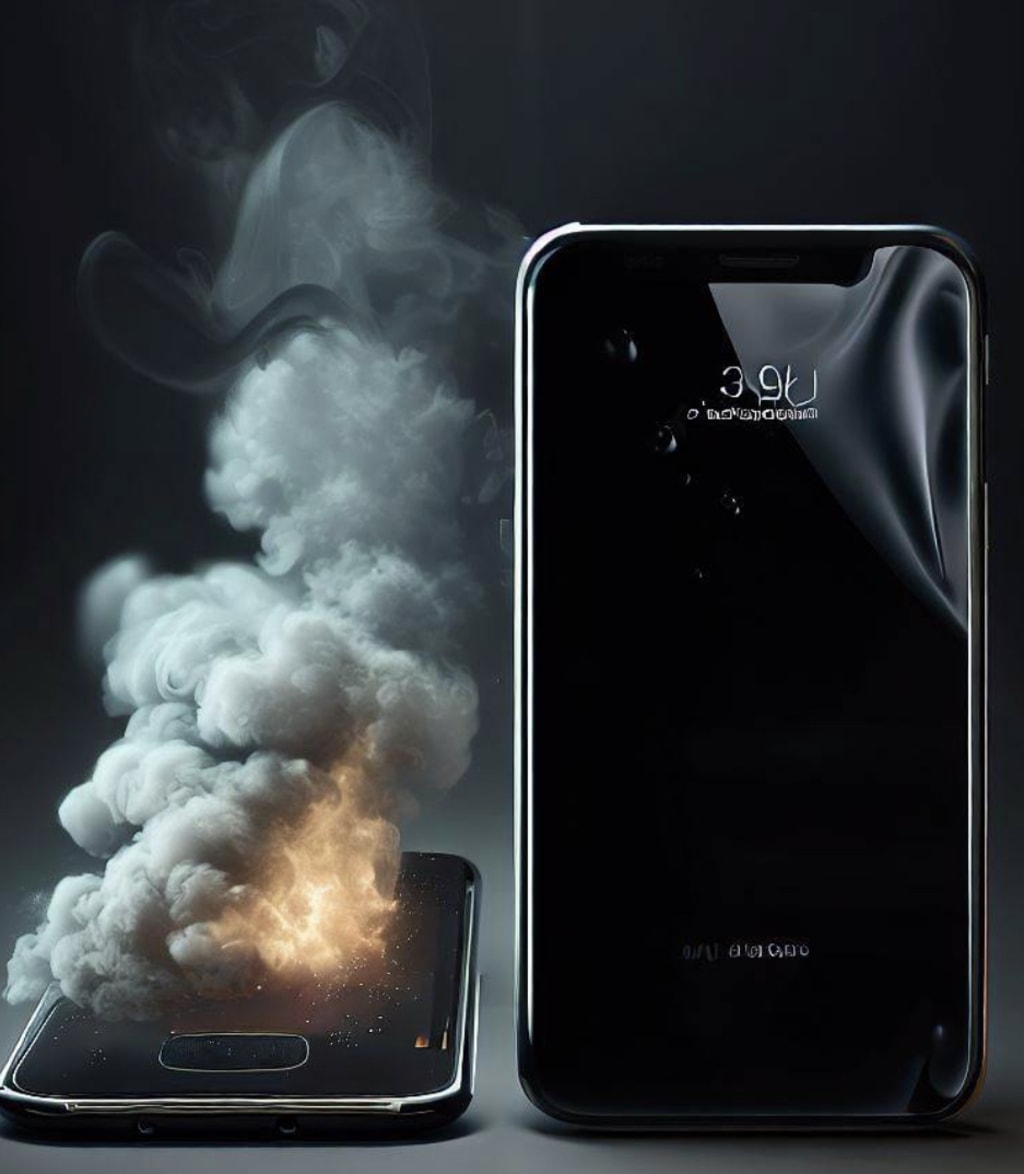
Apple has consistently held a dominant position in the mobile market, with its iPhones being the best-selling phones for several years. Let’s delve into data analysis comparing Apple’s phone sales to Samsung and explore why Apple is rapidly expanding and building strong customer loyalty compared to other mobile phone companies.
Data Analysis of Apple vs. Samsung Sales:
Over the past years, Apple has outperformed its competitors, including Samsung, in phone sales. The data reveals a consistent upward trend in Apple's market share, indicating its strong position in the industry. According to market research data, Apple's iPhone sales have consistently surpassed Samsung's Galaxy series sales in various global markets.
In 2019, Apple sold approximately 193 million iPhones worldwide, while Samsung sold around 296 million Galaxy smartphones during the same period. Although Samsung's sales figures were higher, it's essential to consider the diverse range of Samsung smartphone models available compared to Apple's limited iPhone lineup.
However, Apple's strong sales performance took an impressive turn in 2020, even amidst the challenges posed by the global pandemic. During that year, Apple managed to sell nearly 200 million iPhones worldwide, closing the gap significantly with Samsung's Galaxy series sales. On the other hand, Samsung's Galaxy series sales stagnated at around 290 million units in 2020, indicating a notable dip in growth compared to previous years.
One key factor contributing to Apple's success is its consistent popularity in the premium smartphone market segment. In 2020, Apple's iPhone 12 series proved to be highly successful, accounting for a significant portion of the company's overall smartphone sales. The introduction of 5G capability in the iPhone 12 series further bolstered Apple's appeal, especially in markets where 5G infrastructure was already established.
Interestingly, while Samsung offers a wide array of smartphones catering to various price points, Apple's iPhone remains a premium offering across all its models. Despite this premium pricing, customers' willingness to pay a higher price for an iPhone indicates the brand's strong reputation and perceived value.
Apple's strategy of releasing updated iPhone models annually has also contributed to its steady growth in sales. This annual refresh cycle entices existing iPhone users to upgrade to the latest model, creating a continuous stream of sales for the company.
Furthermore, Apple's robust ecosystem plays a significant role in driving iPhone sales. The seamless integration between iPhones, iPads, Macs, and other Apple devices creates a cohesive user experience, encouraging customers to stay within the Apple ecosystem.
In contrast, Samsung's vast portfolio of smartphones has led to fragmentation within its user base. While this approach caters to diverse customer preferences, it may lack the unified user experience offered by Apple's ecosystem.
Conclusion:
Apple's data-driven dominance in the mobile market becomes evident when analyzing its sales figures and customer loyalty compared to Samsung and other competitors. The company's unwavering commitment to innovation, user experience, and building a loyal customer base has propelled it to the forefront of the industry.
Despite concerns about potential market monopoly effects due to premium pricing, Apple's continued growth and expansion demonstrate the effectiveness of its strategic approach. Regulatory scrutiny has led the company to make necessary adjustments to its practices, showing responsiveness to market dynamics and consumer demands.
To sustain its position as a market leader, Apple will need to remain agile, continuously innovate, and maintain a delicate balance between offering premium products and ensuring fair competition. As the mobile market continues to evolve, only time will reveal whether Apple can maintain its strong market position and navigate the challenges posed by its competitors and regulatory landscape.
So what do uou think will happen in the end?
Will Apple suppress other companies including Samsung.
About the Creator
Keep reading
More stories from ahmed afraah Adam and writers in 01 and other communities.
Artificial intelligence (AI)is it dangerous?
Introduction Picture this: In a futuristic, AI-driven classroom, students don virtual reality headsets to embark on an immersive learning adventure. They are greeted by their personalized AI tutor, an intelligent and friendly companion named "SARA" (Student's Academic Resource Assistant). As the students explore the mysteries of ancient civilizations, SARA dynamically adjusts the experience to suit each individual's learning style, making education come alive like never before.
By ahmed afraah Adam3 years ago in Education
How to Choose a Mobile App Development Company 2026
The Google ecosystem has completed its transition from an index of pages to a comprehensive map of verified entities. This shift means the Trust Graph now dictates which development firms appear in AI Retrieval results.
By Del Rosarioabout 7 hours ago in 01
Miss Persephone's Manual to a Seemingly Ordinary Life
Miss Persephone was found at the dining table, her blue eyes swollen, her tears arriving and retreating like the tides of the ocean. Earlier that day, her family had visited her in the retirement home where she had lived for eight years. It was her eightieth birthday.
By Imola Tóth6 days ago in Fiction




Comments
There are no comments for this story
Be the first to respond and start the conversation.