
An In-depth Guide to the Six Types of Linen Fabric for Clothing
Unraveling the Threads: Understanding the Versatility of Linen in Fashion
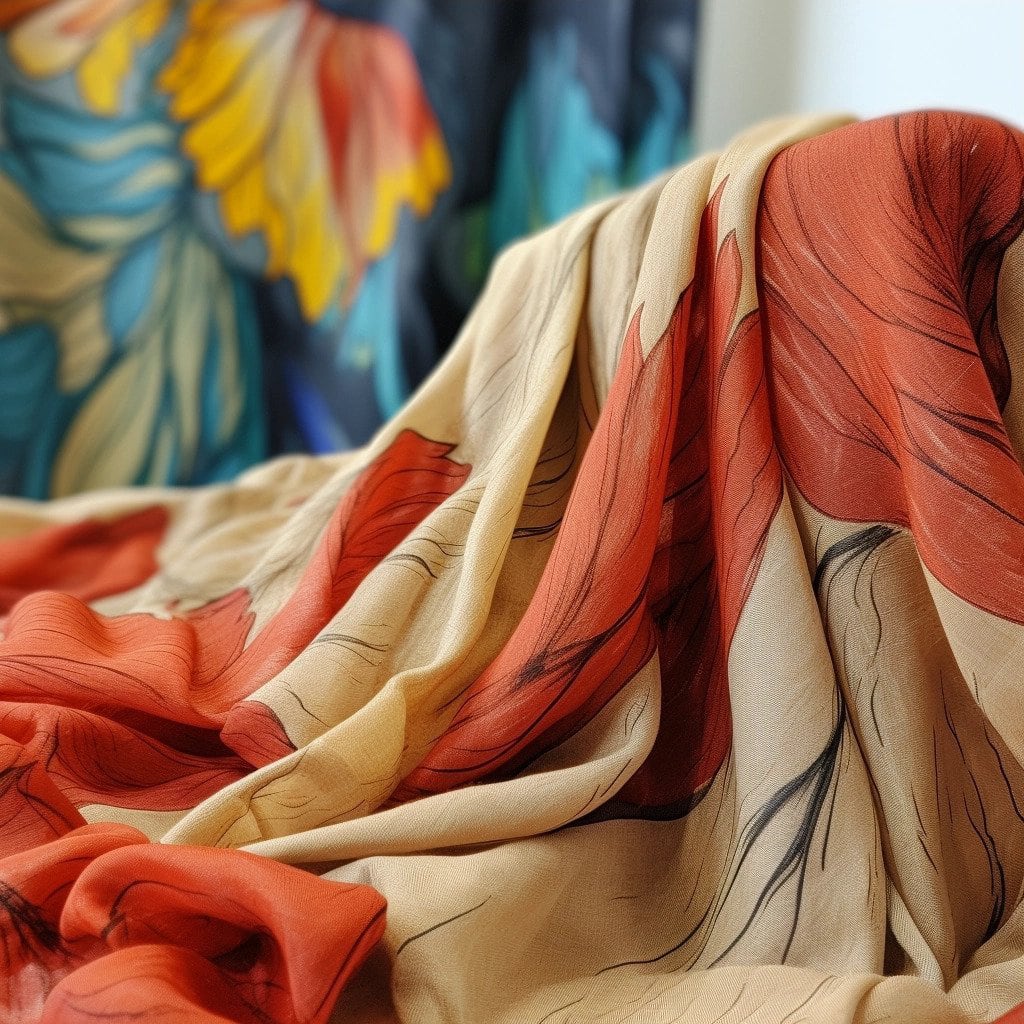
Linen, often considered the grandparent of all textiles, has stood the test of time and fashion trends alike, cementing its position as a cornerstone in our closets. But what is it about this fabric that has allowed it to endure, to flourish even, throughout centuries?
This material, humble in its origin yet rich in its appeal, is a product of the flax plant. An intriguing blend of smooth sophistication and raw natural charm, linen has long been favored for its breathability, comfort, and durability. While it is well-known for its role in creating crisp summer shirts or flowing dresses, its uses go beyond the familiar, extending into realms that might surprise the casual observer.
In this exploration of linen, we will trace the journey of this multifaceted fabric, from its historical roots to its production and properties. Our primary focus, however, will be on identifying and understanding the six types of linen fabric commonly used in clothing today: Damask Linen, Plain-Woven Linen, Loosely Woven Linen, Sheer Linen, Sheet Linen, and Toweling Linen. Each type, with its unique characteristics and specific uses, contributes to the vast versatility of this textile.
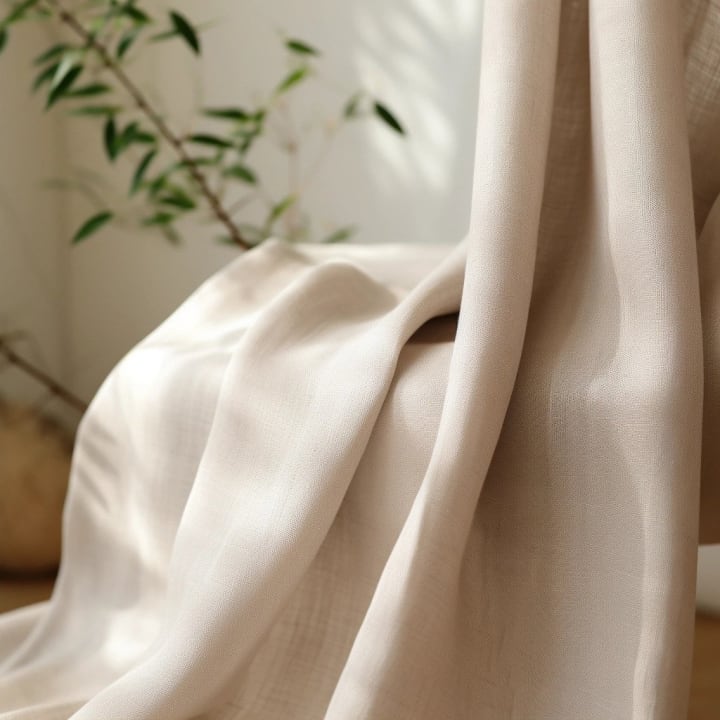
Join us on this voyage of discovery, as we unfurl the many layers of linen, delving into the minutiae of its various forms and uncovering the subtleties that distinguish them. Whether you are a fashion enthusiast, a designer, or someone simply intrigued by the world of textiles, this comprehensive guide promises a wealth of knowledge, ready to deepen your understanding and appreciation of this enduring fabric.
The story of linen is not merely a tale of a textile; it is an account of human ingenuity and adaptability. As we unfold the narrative of linen, we are, in fact, tracing the outlines of our own history, innovation, and aesthetic evolution. Let's embark on this fascinating journey together.
History and Production of Linen Fabric
Linen is not a new kid on the block; its roots are embedded deeply within the soils of history. The first instances of linen production are believed to date back around 36,000 years, with the oldest known fragments found in Georgia's Dzudzuana Cave. The ancient Egyptians held a particular fondness for linen, associating it with purity, and consequently, they extensively used it for mummification and clothing.
However, the production of linen is not a straightforward affair. Its creation demands patience, skill, and a lot of labor. The life of linen starts in the field, where flax plants are grown for their fiber. These tall, reed-like plants are harvested by pulling them out of the ground to keep the length of the fiber intact, a labor-intensive process as the plant cannot be mowed or mechanically harvested.
Following harvesting, the plants undergo retting, a process that uses bacteria, dew, or water to break down the pectin holding the fibers together. Once sufficiently retted, the flax bundles are dried and then passed through a process called scutching, which involves crushing the stems to separate the woody inner part, known as shive, from the fibers.
The fibers then undergo heckling, where they're combed to separate the shorter tow fibers from the longer line fibers. The line fibers are the ones we associate with high-quality linen fabric, while the tow fibers are used for coarser applications such as rope or lower-grade fabrics.
After heckling, the line fibers are spun into yarn and finally woven into the fabric we recognize as linen. This complex process, though time-consuming and labor-intensive, results in a fabric that offers a unique blend of strength, absorbency, and breathability.
It is essential to note that this laborious production process, coupled with linen's luxurious texture and durability, often makes it a pricier option compared to cotton or synthetic fibers. However, its unique properties and versatility justify the premium, providing value for money in the form of long-lasting, quality garments.
The world of linen is broad and varied, with several types of linen available, each with its distinct characteristics and applications. Our next journey takes us into this realm of diversity as we explore the six types of linen fabric used in clothing.
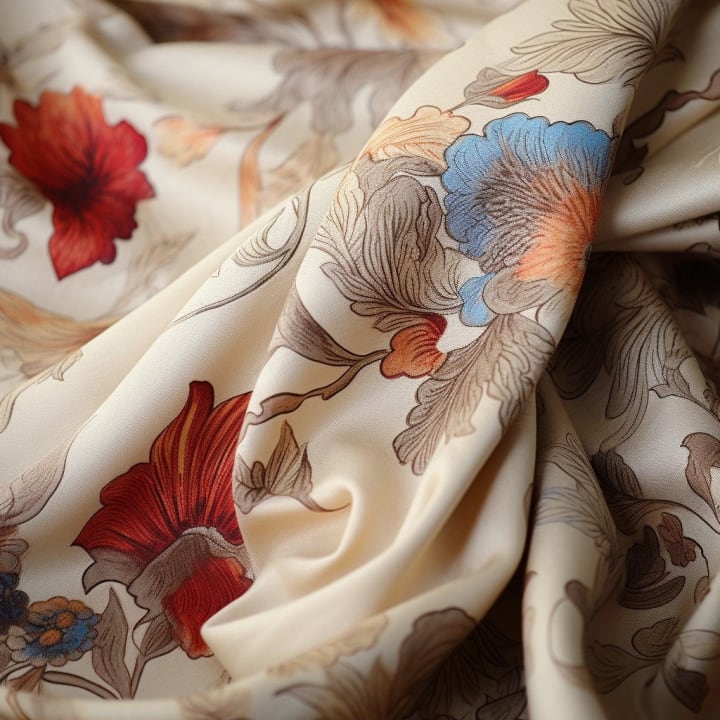
Properties of Linen Fabric
Linen, as a fabric, possesses a set of unique properties that distinguish it from other materials, making it especially suitable for clothing. Its inherent characteristics have placed it in high demand in both the fashion industry and households worldwide.
Breathability: Perhaps the most well-known property of linen is its breathability. The structure of linen fibers allows air to move around freely, making linen clothing perfect for warm climates by keeping you cooler than most other fabrics would.
Moisture Absorbency: Linen is highly absorbent. It can absorb up to 20% of its weight in moisture before it feels damp. This property, along with breathability, contributes to its popularity in hot and humid climates.
Strength: Linen is known for its durability. It is about 30% stronger than cotton, making it a go-to fabric for long-lasting clothing items. Linen clothing can withstand a high amount of wear without tearing or wearing thin.
Hypoallergenic: Linen is naturally hypoallergenic, which means it's unlikely to cause allergic reactions. It also has natural antibacterial properties, which can be beneficial for skin health.
Environmentally Friendly: Linen is biodegradable and recyclable. The cultivation of flax requires fewer resources than other fabrics, making it a more sustainable choice.
Ageing: Unlike some other fabrics, linen gets better with age. It becomes softer and more comfortable with each wash and wear.
While linen brings many benefits, it also has a couple of drawbacks worth mentioning. One of the key downsides is that it wrinkles easily due to its lack of elasticity. This characteristic can require frequent ironing, especially for more formal wear. However, many people embrace this quality as part of linen's relaxed, casual charm. Additionally, its texture can feel rough initially, but it softens significantly over time.
Understanding these properties will provide a foundation to appreciate the subtle nuances of the six types of linen fabric we're about to discuss, each having its unique characteristics and uses.
The Six Types of Linen Fabric
Though we often refer to 'linen' as one broad category of fabric, in reality, there is a spectrum of linen types, each the result of specific weaving techniques and finishes. These various kinds each have their own particular applications and aesthetic appeal. Let's delve into the details of the six types of linen fabric used in clothing.
A. Damask Linen
Damask linen, named after Damascus, where it was first produced, is a fabric of luxury. It is distinguished by its intricate, reversible patterns, created through a combination of several weaving techniques including plain, satin, and twill weaves. This technique results in a pattern that is visible on both sides of the fabric.
Though it may appear delicate, Damask is a dense, flat fabric known for its durability. Its high thread count and sophisticated patterns make it particularly suited for high-end fashion items and formal wear. From wedding attire to cocktail dresses, damask linen lends an air of elegance and sophistication to any garment.
B. Plain-Woven Linen
Next on our list is the Plain-Woven Linen. Also known as 'glass toweling,' this type of linen is the simplest in terms of structure. The even weave creates a smooth, tight, and sturdy fabric that holds up well to everyday wear and tear. The term 'glass toweling' comes from its traditional use in drying glassware, as it leaves no lint behind.
For clothing, the robust structure of plain-woven linen makes it a popular choice for items like casual shirts, skirts, trousers, and dresses. The tight weave provides a clean, crisp finish that looks elegant while still offering the comfortable, breathable properties that linen is cherished for.
C. Loosely Woven Linen
This variety of linen, as the name suggests, features a less tight or loose weave. The resulting fabric is airy, soft, and slightly transparent. Loosely woven linen is well-suited to delicate, lightweight clothing items like summer blouses, wraps, and scarves.
While this type of linen retains the breathable quality of tightly woven varieties, its lighter weight and flowing drape make it an excellent choice for loose, relaxed-fit clothing. The aesthetic appeal of loosely woven linen lies in its casual, laid-back charm, which embodies a sense of effortless elegance.
D. Sheer Linen
Sheer Linen, sometimes referred to as handkerchief linen, is the finest, most delicate type of linen. It is lightweight and transparent with a very open weave. This gossamer-thin fabric is incredibly breathable, making it perfect for hot, humid climates.
Due to its transparency, sheer linen is often used for fashion items requiring a touch of delicacy and subtlety. Think of sheer blouses, layered dresses, or delicate scarves. Despite its delicate appearance, it still offers a good degree of durability typical of linen fabrics.
E. Sheet Linen
On the opposite end of the spectrum from sheer linen, we find sheet linen. This type of linen is heavy and densely woven, making it the sturdiest variety. As the name suggests, it is commonly used for bed sheets due to its durability and softness.
In clothing, sheet linen is excellent for creating structured garments like jackets, blazers, or heavy shirts. Despite its heavy weight, it still offers the breathability of linen, making it a versatile fabric for various climates and seasons.
F. Toweling Linen
Toweling Linen, the last in our exploration of linen types, is designed specifically for its absorbency. It has a plush, textured weave, ideal for bath and kitchen towels, as it can soak up moisture quickly while still being gentle on skin and dishes.
In the realm of clothing, toweling linen is favored for beachwear and athletic wear, particularly for items like sweatbands and towels due to its superior absorbency and softness. Despite being a more niche application in fashion, it underlines the versatility of linen as a fabric.
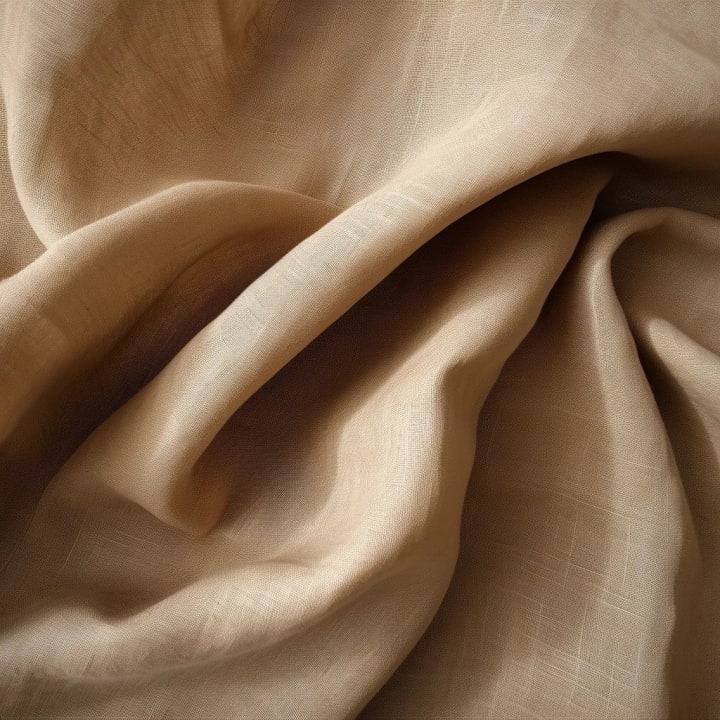
Choosing the Right Linen
Knowing the different types of linen and their respective properties is useful, but how does this translate to choosing the right linen for your needs? The following guidelines are aimed at helping you navigate through the sea of linen types to pick the one best suited for your project or wardrobe.
1. Consider the Garment Type
Think about the kind of clothing item you're making or buying. Is it a structured blazer, a delicate blouse, or a casual summer dress? For heavy, structured garments like jackets, sheet linen is an excellent choice due to its durability and heavy weight. On the other hand, for delicate, lightweight items, sheer or loosely woven linen is a better option. Casual and comfortable clothes like shirts and dresses are often made from plain-woven linen.
2. Think About the Climate
Linen is renowned for its breathability and moisture absorbency, making it perfect for warm climates. However, the weight and weave of the fabric can make a significant difference. For hot, humid climates, opt for loosely woven or sheer linen, as these provide the best airflow and are lightweight. For cooler climates, you might prefer sheet linen or toweling linen, which are heavier and can provide a little more warmth.
3. Assess Your Comfort and Care Preferences
All types of linen get softer with each wash and wear, but some start off more rigid than others. If initial softness is a priority, opt for loosely woven linen or toweling linen, which are typically softer to the touch. If you prefer a crisper feel, plain-woven linen is a good choice. Remember, all linen types are prone to wrinkling. If this is a concern, be prepared to iron your linen garments frequently, or embrace the casual, lived-in look that linen offers.
4. Reflect on Your Style
Your personal style should be a significant factor in your choice. If you lean towards sophisticated, formal styles, damask linen with its intricate patterns might appeal to you. If you favor a casual, relaxed aesthetic, the simple, clean look of plain-woven linen or the laid-back charm of loosely woven linen could be a good fit.
FAQs
What is linen made from?
Linen is made from the fibers of the flax plant.
Why is linen so popular for clothing?
Linen is popular due to its breathability, strength, and durability. It's cool to wear in hot weather and also absorbs moisture well.
What is the difference between damask linen and plain-woven linen?
Damask linen is characterized by its reversible patterns and luxurious feel, making it suitable for formal wear. Plain-woven linen, on the other hand, features a simple, tight weave and is sturdy, making it ideal for casual attire.
Why does linen wrinkle easily?
Linen wrinkles easily due to its lack of elasticity. This natural characteristic of linen is often embraced as part of its charm.
Does linen get softer over time?
Yes, linen does get softer with each wash and wear. This aging process makes it even more comfortable over time.
About the Creator
kenny li
please visit my website: https://www.odmya.com
How to Choose the Best Mobile App Development Company in Canada 2026
Choosing the right app development partner in 2026 isn’t just a procurement decision—it’s a strategic move that can define whether your digital product scales or stalls. The Canadian tech ecosystem has matured rapidly, with agencies offering everything from rapid MVP builds to enterprise-grade platforms powered by AI and cloud-native architectures.
By alan michael2 days ago in 01
Replica Designer Handbags and Luxury Designer Purses: A Cultural Perspective
Handbags are among the most consistently used personal items in modern life. While often discussed in relation to fashion, their significance extends far beyond visual appeal or brand recognition. Handbags function as everyday tools, supporting routine activities such as work, travel, and social engagement. Within this broader context, conversations around Replica Designer Handbags and Luxury Designer Purses reflect changing attitudes toward access, value, and practicality rather than simple questions of trend or status.
By charliesamuel7 days ago in 01


Comments
There are no comments for this story
Be the first to respond and start the conversation.