
AI-Powered Smart Home Devices That Actually Justify the Price
Discover the AI-powered smart home devices that deliver real value—from intelligent security cameras and learning thermostats to adaptive lighting and smart appliances.

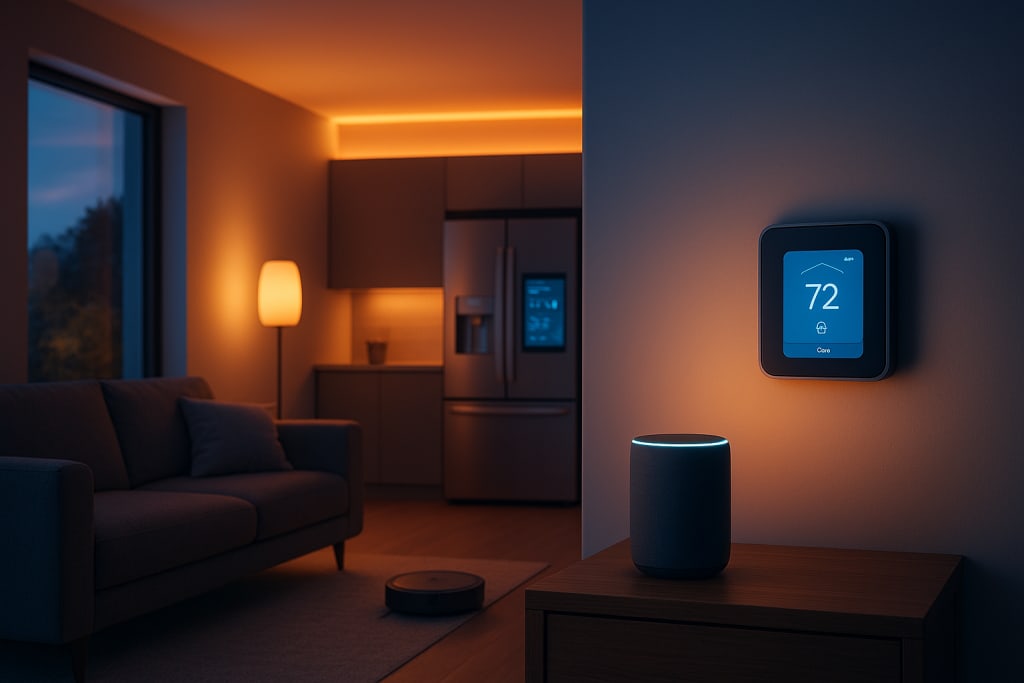
The world of smart home technology has shifted from novelty gadgets to essential household tools. In the early days, smart plugs and connected light bulbs were impressive, but limited in scope. Today, however, artificial intelligence is at the core of home automation, powering devices that anticipate needs, adapt to changing circumstances, and even make independent decisions.
The challenge is figuring out which devices actually deserve your money. Some AI-powered tools are transformative, while others are overpriced gimmicks. This article highlights the devices that not only live up to the hype but deliver genuine, long-term value.
The Evolution of AI in Home Automation
It’s important to understand what sets AI-powered devices apart. Traditional smart tech required explicit commands. If you wanted the lights dimmed or the thermostat adjusted, you had to manually trigger the change through an app or voice command.
AI flips this model. Instead of waiting for instructions, these devices:
- Learn your daily patterns.
- Make predictions about what you’ll want next.
- Adjust settings automatically for efficiency, comfort, and convenience.
For example, an AI thermostat doesn’t just wait for you to lower the temperature before bedtime. It notices your patterns over several days, anticipates your preferences, and begins to automate them. This level of contextual intelligence is what separates smart devices from truly intelligent devices.
Smart Speakers and AI Voice Assistants
Smart speakers are no longer glorified music players. They’ve evolved into centralized hubs for home control.
Modern AI-driven assistants like Alexa, Google Assistant, and Apple’s Siri:
- Recognize individual voices so each household member can receive personalized updates—like one person’s calendar reminders and another’s commute alerts.
- Contextualize commands instead of relying on rigid phrasing. Saying “turn it down” after playing music now works because the assistant understands the situation.
- Connect to dozens of other devices, from light switches to ovens, making them the “brain” of your smart home.
The value here lies in orchestration. Instead of juggling five different apps to manage your home, a smart speaker becomes the single, intuitive interface that ties everything together.
AI-Powered Security Cameras and Doorbells
Home security has advanced far beyond motion sensors and grainy footage. Today’s AI-enhanced cameras don’t just record—they analyze.
Key features include:
- Object recognition: The camera knows the difference between a delivery person, a pet, or a car passing by.
- Smart alerts: Instead of bombarding you with constant notifications, the AI filters out irrelevant movement, so you only get notified about what matters.
- Facial recognition: Some cameras can identify known family members or frequent visitors while alerting you to unfamiliar faces.
- Package detection: Doorbell cameras can now spot packages being dropped off (and alert you if one disappears).
Why it’s worth the investment: older systems created more frustration than peace of mind by sending false alarms constantly. AI-powered systems provide precision and reliability, making you feel safer without overwhelming you.
AI-Driven Smart Thermostats
Heating and cooling are some of the biggest expenses in any home. AI thermostats, like the Nest Learning Thermostat or Ecobee, save money while improving comfort.
Here’s how they stand out:
- Behavior learning: They track when you’re usually at home, when you sleep, and when you leave, then build a schedule that adapts automatically.
- Energy efficiency: By optimizing heating and cooling cycles, they can cut energy bills by as much as 10–15%.
- Remote access: Adjust the temperature from anywhere using your phone, but more importantly, the AI often makes adjustments before you even need to.
- Integration with sensors: Many systems connect to window and motion sensors, shutting off HVAC if a window is open or if a room is empty.
This is a perfect example of AI being more than convenience—it’s measurable financial savings with very little effort from the homeowner.
Intelligent Lighting Systems
Lighting is an often-overlooked area where AI adds sophistication. Instead of just remote-controlled bulbs, AI-powered lighting can shape your home’s atmosphere automatically.
Consider the following capabilities:
- Adaptive brightness: Lights dim during the evening to mimic natural circadian rhythms, helping improve sleep quality.
- Entertainment syncing: Some systems pair with TVs, games, or speakers to create immersive lighting effects.
- Presence detection: Using motion sensors and learned habits, lights activate when you enter a room and shut off when you leave.
- Mood automation: AI can suggest lighting based on activity—bright, cool light for working, warm tones for relaxation, or subtle glows for movie night.
What makes this compelling is how seamless it becomes. Instead of remembering to adjust switches, the house seems to respond naturally to your presence and activity.
Smart Appliances That Reduce Effort
Kitchen and laundry appliances are also embracing AI. The key difference between older “connected” appliances and newer AI-enhanced versions is how they think for you.
Examples include:
- Refrigerators that track expiration dates, suggest recipes, and notify you when you’re low on essentials.
- Ovens that recognize the type of food being cooked and automatically set the temperature and time.
- Washing machines that detect fabric type, load size, and soil level, then choose the best wash cycle without guesswork.
- Robotic vacuums that map your home, learn where clutter usually appears, and schedule cleanings around your daily habits.
While not every smart appliance justifies its premium price tag, the ones that save you time, stress, and wasted energy offer a clear return on investment.
Why AI Smart Devices Are Worth the Money
Skeptics often dismiss smart home tech as “expensive toys.” But when AI is integrated thoughtfully, the value becomes clear.
Here’s why these devices pay for themselves:
- Time savings – Automating repetitive tasks frees up hours every week.
- Energy efficiency – Smarter heating, cooling, and lighting lower utility bills.
- Safety – Proactive alerts and accurate recognition improve security.
- Lifestyle enhancement – Comfort, convenience, and even wellness benefits add long-term value.
In short, while the upfront costs are higher, these devices provide both tangible financial returns and intangible quality-of-life improvements.
Not every product with “smart” in the name deserves your attention. Some are fads that fade quickly, while others genuinely reshape how you live.
When evaluating AI-powered smart home devices, ask:
- Does it solve a real, everyday problem?
- Does it save money or time in measurable ways?
- Can it integrate seamlessly with the rest of your smart ecosystem?
If the answer is yes, the device isn’t just worth the hype—it’s worth the investment. The future of smart homes isn’t about novelty gadgets. It’s about AI quietly working in the background, making your home safer, more efficient, and more comfortable without you even noticing.
About the Creator
Richard Bailey
I am currently working on expanding my writing topics and exploring different areas and topics of writing. I have a personal history with a very severe form of treatment-resistant major depressive disorder.
Keep reading
More stories from Richard Bailey and writers in 01 and other communities.
Top AI Productivity Tools of 2025: The Real Time-Savers You Need
Artificial intelligence has shifted from being a futuristic buzzword to a daily companion in modern work. In 2025, professionals no longer ask whether AI tools are useful. Instead, the pressing question is: Which AI tools actually save time, and which ones simply add noise?
By Richard Bailey6 months ago in 01
Zomato-Like Food Delivery App Development Cost and Tech Stack Guide
The rapid growth of on-demand services has completely transformed how people order food. Customers now expect fast delivery, real-time tracking, digital payments, and personalized restaurant recommendations directly from their smartphones. Businesses looking to enter this competitive market are increasingly investing in Food Delivery App development to build scalable and user-friendly platforms.
By keith laurance4 days ago in 01




Comments
There are no comments for this story
Be the first to respond and start the conversation.