
A Practical Guide to Crafting a Risk Management Matrix
This guide explores the importance of risk management solutions.

Introduction
In today's fast-paced digital and industrial landscapes, risk management is essential for ensuring business continuity, safeguarding assets, and enhancing decision-making processes. Whether in software development, logistics, or supply chain automation, companies face a range of uncertainties that can disrupt operations. A Risk Management Matrix serves as a structured framework to identify, assess, and mitigate risks proactively.
This guide explores the importance of risk management solutions, particularly in software development, logistics, and supply chain management, and provides actionable insights on crafting an effective Risk Management Matrix.
Understanding the Risk Management Matrix
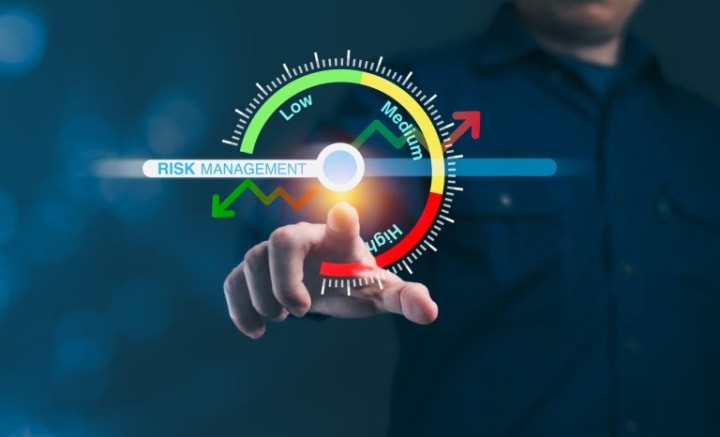
A Risk Management Matrix (RMM) is a strategic tool used by organizations to categorize risks based on their probability and impact, helping businesses prioritize and implement risk mitigation strategies. It provides a clear and visual representation of potential risks, allowing teams to make informed decisions.
Key Components of a Risk Management Matrix
- Risk Identification: Listing potential risks that may arise in projects or operations.
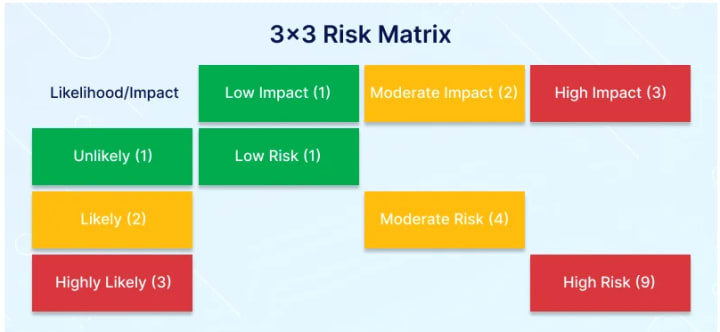
- Risk Assessment: Evaluating risks based on probability (low, medium, high) and impact (minor, moderate, severe).
- Risk Mitigation Strategies: Defining actions to reduce, avoid, or accept risks.
- Monitoring and Review: Continuously tracking risks and updating mitigation strategies.
Building a Risk Management Matrix for Software Development
Common Risks in Software Development
Software development projects are exposed to various risks, including security vulnerabilities, compliance issues, and operational failures. Some key risks include:
- Strategic Risks: Misalignment between development goals and business objectives.
- Operational Risks: Infrastructure failures, third-party dependencies, or cloud outages affecting project timelines.
- Compliance Risks: Non-compliance with regulations like GDPR, HIPAA, or SOC 2 leads to legal penalties.
- Security Risks: Data breaches, cyberattacks, or application vulnerabilities exposing sensitive information.
AI-Powered Risk Management Solutions in Software Development
- Predictive Analytics: AI-driven tools analyze historical data to predict potential failures in software projects.
- Automated Testing: AI-driven automated testing ensures vulnerabilities are detected before deployment.
- DevSecOps Implementation: Embedding security at every stage of software development reduces cyber risks.
Risk Management in Logistics & Transportation
Regulatory Challenges in Global Supply Chains
- Customs regulations: Compliance with international trade laws (U.S., EU, and China).
- Environmental policies: Adhering to sustainability regulations (carbon footprint reduction, green logistics).
- Data Privacy Laws: Ensuring compliance with data protection regulations in transportation management systems.
Emerging Technologies for Risk Mitigation in Logistics
Blockchain for Logistics Tracking: Enhancing transparency and preventing fraud.
- Digital Twins for Risk Simulation: Creating virtual models of supply chains to test different risk scenarios.
- Predictive Analytics for Route Optimization: Using AI and ML solutions to prevent delays caused by weather or traffic.
Industry Trends in Risk Management Solutions
Risk management is continuously evolving with technological advancements in AI, automation, and IoT. Some of the key trends include:
- AI-driven risk intelligence: AI models predict financial, cybersecurity, and supply chain risks with greater accuracy.
- Supply Chain Automation Solutions: Smart automation tools detect disruptions in real time, reducing inefficiencies.
- Cybersecurity Advancements: Adoption of Zero Trust Architecture to prevent data breaches.
- Cloud-Based Risk Management Platforms: Centralized risk management solutions offering real-time insights.
Best Practices for Implementing a Risk Management Matrix
Step-by-Step Framework for Businesses
- Identify Business-Specific Risks: Every industry has unique challenges; list potential risks based on historical data.
- Assess Probability and Impact: Classify risks into a risk impact matrix to prioritize them effectively.
- Develop Mitigation Strategies: Define preventive measures and contingency plans for high-risk areas.
- Implement AI & Automation: Leverage machine learning solutions for predictive risk analysis.
- Continuous Monitoring and Optimization: Regularly review and refine the risk management matrix.
Expert Insights & Case Studies
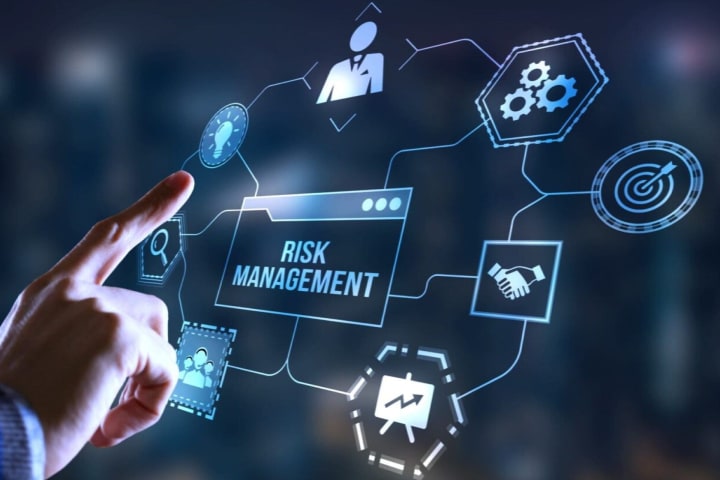
Industry Leaders on the Importance of Risk Management
"Companies that integrate AI-driven risk assessment frameworks can prevent losses before they happen." - Cybersecurity Expert, IBM.
"Predictive analytics in logistics will cut supply chain disruptions by 40% over the next five years." - Gartner Research.
Case Study: AI-Driven Risk Management in Action
Case Study 1: How a FinTech Company Prevented Compliance Violations
A leading financial services provider implemented an AI-powered compliance monitoring system. The result: a 70% reduction in regulatory violations and a 50% improvement in audit readiness.
Case Study 2: Supply Chain Optimization with AI in a Global Retailer
A global retailer integrated AI-based predictive analytics to anticipate shipping delays. The system detected supply chain bottlenecks 30% faster, reducing downtime and enhancing efficiency.
Future of Risk Management: AI, Automation & Predictive Analytics
- Generative AI for Scenario Planning: AI models simulate different risk scenarios for better decision-making.
- Advanced IoT for Risk Detection: Real-time IoT-based monitoring of supply chain and manufacturing processes.
- Blockchain for Smart Contracts: Automating risk assessment in financial transactions and logistics contracts.
Conclusion
Risk management is no longer an option - it's a necessity for software development, logistics, and supply chain automation. Companies that embrace AI-powered risk management solutions will stay ahead of potential disruptions, enhance operational resilience, and secure long-term growth.
By leveraging a well-structured Risk Management Matrix, businesses can proactively identify risks, mitigate them efficiently, and adapt to emerging industry challenges.
About the Creator
Emma Jhonson
Emma Jhonson Loves Writing about Technology to Educate People about How it can Improve their lives. As a Technical Writer Expert at ValueCoders, She has used her Extensive Knowledge of this Industry for Fifteen years now.
Keep reading
More stories from Emma Jhonson and writers in 01 and other communities.
Lean Startup Methodology and Product Development
In an increasingly dynamic business environment, traditional methods of product development are often too slow, rigid, and resource-intensive to keep up with evolving market demands. The Lean Startup methodology has emerged as a game-changing approach, empowering startups and enterprises to innovate rapidly, minimize risk, and focus on delivering value to customers.
By Emma Jhonson12 months ago in 01
These Billionaires Bet Big On GreenLand—After Trump Took Interest
Topline Just months after President Donald Trump first expressed interest in the United States possibly gaining control over Greenland, some of the richest people in the world—including Jeff Bezos, Bill Gates and Michael Bloomberg—began making strategic investments in the mineral-rich island.
By Dena Falken Esqa day ago in 01
The Devil's Cut
“Comrade, finally you’re awake.” The voice was smooth, sensual. A flickering incandescent bar was all that lit the white, sterile room. All Vladimir remembered was everything going black. He tried to move his arms and found them strapped to the gurney.
By Matthew J. Fromm4 days ago in Fiction



Comments
There are no comments for this story
Be the first to respond and start the conversation.