
A Beginner's Guide to Developing an NFT: Turning Your Digital Creations into Unique Assets
NFT Development

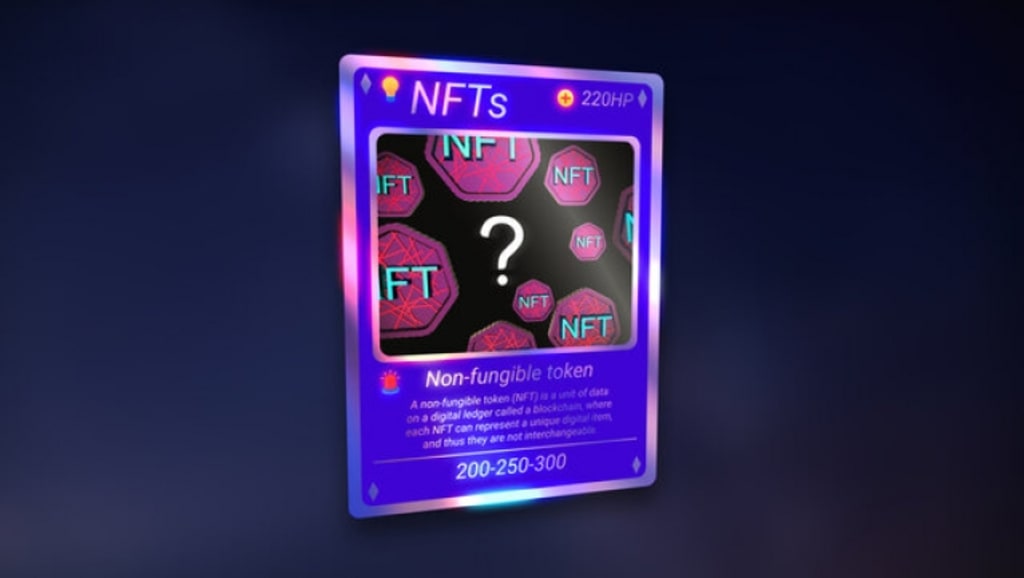
In recent years, the world of digital art and collectibles has been revolutionized by the emergence of Non-Fungible Tokens (NFTs). NFTs allow creators to tokenize their digital assets, such as artwork, music, videos, and even virtual real estate, and sell them as unique items on blockchain platforms. If you're an artist, musician, or content creator looking to get in on this exciting trend, here's a step-by-step guide on how to develop your very own NFT.
1. Understand NFTs and Blockchain:
Before you dive into creating NFTs, it's crucial to grasp the foundational concepts. NFTs are unique digital tokens that represent ownership of a specific digital item. These tokens are built on blockchain technology, which ensures their authenticity and provenance. Ethereum is currently the most widely used blockchain for NFTs, but other platforms like Binance Smart Chain and Flow are also gaining popularity.
2. Create Your Digital Artwork:
Your journey into the world of NFTs begins with your digital creation. Whether it's a digital painting, a piece of music, a video clip, or any other form of digital content, ensure that it's of high quality and resonates with your target audience. Your creativity and uniqueness will be the key factors in determining the value of your NFT.
3. Choose an NFT Marketplace:
Selecting the right NFT marketplace is crucial for showcasing and selling your creations. Some popular options include OpenSea, Rarible, and Mintable. Research each platform's fees, user base, and features to determine which one aligns best with your goals.
4. Set Up a Cryptocurrency Wallet:
To interact with NFT marketplaces and blockchain networks, you'll need a cryptocurrency wallet. Most NFT platforms are Ethereum-based, so you'll typically need an Ethereum-compatible wallet like MetaMask. Install the wallet extension, create an account, and secure your wallet with a strong password and backup phrase.
5. Fund Your Wallet:
Since most NFT marketplaces and transactions involve cryptocurrency (usually Ether), you'll need to fund your wallet. You can purchase Ether on various cryptocurrency exchanges and transfer it to your wallet address.
6. Mint Your NFT:
"Minting" is the process of creating an NFT by tokenizing your digital creation. Each marketplace has its own minting process, but generally, you'll need to upload your digital file, add metadata (title, description, attributes), and set a royalty percentage for future sales. Minting usually incurs a one-time fee.
7. List Your NFT for Sale:
Once your NFT is minted, you can list it for sale on the marketplace. Determine the sale type - whether it's an auction or a fixed-price listing. Set your desired price and any additional details about the sale. Remember to factor in the marketplace's fees and gas fees (transaction fees) when pricing your NFT.
8. Promote Your NFT:
Creating an NFT is just the first step; you'll also need to promote your creation to attract potential buyers. Leverage your existing social media platforms, website, or blog to spread the word. Engage with your audience and tell the story behind your NFT to make it more appealing.
9. Engage with the Community:
Being active in the NFT community can significantly boost your chances of success. Participate in discussions, attend virtual events, and collaborate with other creators. Engaging with the community can lead to valuable insights, collaborations, and exposure.
10. Monitor and Adjust:
After your NFT is listed, keep an eye on its performance. Track views, likes, and potential bids. If you're not getting the response you expected, consider adjusting your pricing, improving your promotional efforts, or exploring collaborations with influencers.
11. Manage Royalties:
One of the unique features of NFTs is the ability to earn royalties every time your NFT is resold. Ensure that you've set a reasonable royalty percentage during the minting process. This ensures that you continue to benefit even when your NFT changes hands in the secondary market.
12. Stay Informed:
The world of NFTs is constantly evolving, with new platforms, technologies, and trends emerging regularly. Stay informed by following industry news, attending webinars, and networking with fellow creators. Adapting to changes and trends can help you make the most of your NFT journey.
How an NFT Development Company Can Help Bring Your Creations to the Blockchain?
If you're an artist, musician, or content creator looking to navigate the complex world of NFTs, enlisting the expertise of an NFT development company can prove to be a game-changing decision. Here's a comprehensive look at how such a company can help transform your creative endeavors into valuable NFTs.
1. Expertise in Blockchain Technology:
NFTs are built upon blockchain technology, which can be intricate and intimidating to those unfamiliar with it. An NFT development company brings in-depth knowledge and experience in blockchain, ensuring that your NFTs are created securely, following industry best practices, and making use of the most suitable blockchain platform for your specific needs.
2. Tailored NFT Solutions:
Every creator's vision is unique. An NFT development company can work closely with you to understand your creative goals and help tailor NFT solutions that align with your aspirations. Whether you're creating digital artwork, music, videos, virtual real estate, or any other form of digital content, they can guide you through the process of tokenizing and minting your creations as NFTs.
3. Smart Contract Development:
Smart contracts are the backbone of NFTs, governing ownership, transfers, and royalties. Crafting well-structured and secure smart contracts requires expertise in coding and blockchain technology. An NFT development company can develop customized smart contracts that cater to the specifics of your NFTs, ensuring that your creations are protected and ownership is seamlessly transferred.
4. Minting and Tokenization:
The process of minting involves creating the NFTs by attaching unique tokens to your digital creations. An NFT development company can handle the technical aspects of minting, including metadata management, ensuring that your NFTs contain accurate and enticing information to attract potential buyers.
5. Marketplace Integration:
NFT marketplaces are where your NFTs will be showcased and sold. These platforms can be diverse and have varying requirements. NFT development companies can assist in integrating your NFTs with the appropriate marketplaces, ensuring your creations get the exposure they deserve.
6. UI/UX Design:
A seamless user experience is essential for attracting and retaining potential buyers. NFT development companies can design intuitive user interfaces for your NFT marketplace listings, making it easy for users to explore and interact with your digital assets.
7. Royalty Management:
Ensuring you receive royalties every time your NFT is resold is a key feature of NFTs. NFT development companies can implement and automate royalty mechanisms in your smart contracts, guaranteeing that you continue to benefit from the increasing value of your creations on the secondary market.
8. Security and Auditing:
The blockchain space can be vulnerable to security risks. NFT development companies can conduct security audits, identifying and mitigating potential vulnerabilities in your NFT smart contracts to protect your assets and the interests of your buyers.
9. Scalability and Future-Proofing:
As the NFT ecosystem evolves, scalability becomes crucial. NFT development companies can design solutions that can accommodate growth and changes, ensuring your NFTs remain accessible and functional in the face of increased demand and evolving technologies.
10. Consultation and Education:
The world of NFTs is ever-changing, and staying informed is vital for success. NFT development companies not only offer technical expertise but also provide consultation and education on the latest trends, platforms, and best practices in the NFT space.
Conclusion:
In conclusion, creating and developing an NFT involves understanding the technology, creating compelling digital content, choosing the right marketplace, and actively engaging with the community. While the process may seem intricate at first, the potential for showcasing your digital creations as unique and valuable assets is worth the effort. Embrace the creative freedom that NFTs offer and embark on an exciting journey into the world of digital ownership and artistry.
Collaborating with an NFT development company can unlock a world of possibilities for artists and creators. From handling the technical complexities of blockchain technology to creating secure and tailored NFT solutions, these companies can guide you through every step of the journey. By enlisting their expertise, you can focus on your creativity while they navigate the intricacies of the NFT landscape, helping your digital creations flourish in the exciting world of blockchain-based ownership and value.
About the Creator
Jhonmatthew
I am a Web 3.0 Analyst who writes about blockchain, crypto, NFTs, DeFi, etc., that will let you know the latest advancements circling over the Web 3.0 space.
Keep reading
More stories from Jhonmatthew and writers in 01 and other communities.
Top 10 Things to Consider Before Building an NFT Marketplace
In recent years, the digital world has witnessed a groundbreaking innovation that has transformed the way we perceive and own digital assets – Non-Fungible Tokens (NFTs). These unique digital tokens have captured the imagination of artists, musicians, gamers, and investors, creating a thriving ecosystem for the buying, selling, and trading of one-of-a-kind digital assets. In this blog, we will delve into the fascinating world of NFTs and explore the top 10 essential considerations before embarking on the exciting journey of building your own NFT marketplace.
By Jhonmatthew3 years ago in 01
Top 10 Medication Management App Development Companies in 2026
In recent years, mobile health technology has fundamentally reshaped how patients engage with their treatments. One of the most promising developments in this space has been medication management applications — digital tools that help individuals track prescriptions, set reminders, manage dosages, and reduce the risk of medication errors. What was once a simple alarm clock for pills has evolved into a suite of features that support people living with chronic conditions, caregivers juggling complex regimens, and healthcare professionals seeking adherence insights.
By Olivia Cartera day ago in 01
Building an E-Commerce App: What Actually Matters
For years, a responsive website was enough for most online stores. If it worked on a phone and didn't crash during checkout, nobody worried about much else. That assumption is slowly disappearing. For many brands today, the phone is where the real relationship with the customer lives.
By Valeriia Shulgaa day ago in 01


Comments (1)
NFT's are a thrilling new form of artistic expression. I may be wrong, but I believe the peak of value has come and gone. Now, there may be more external "things" associated with NFT's as explored in your piece, but the prices, in general, have subsided. If you look at celebrities who purchased items from the "Bored Apes" collection, this is just one example among many. To those people who desire a relatively new form of artistic expression, they should do it for the love and passion they have and not to become the next millionaire. That being said, they may get lucky. You may enjoy the following: https://shopping-feedback.today/01/my-life-as-a-digital-nomad%3C/span%3E%3C/span%3E%3C/span%3E%3C/a%3E Thanks for sharing your ideas.