
A Beginner's Guide to Decentralized Finance (DeFi)
By Jay Phoenix
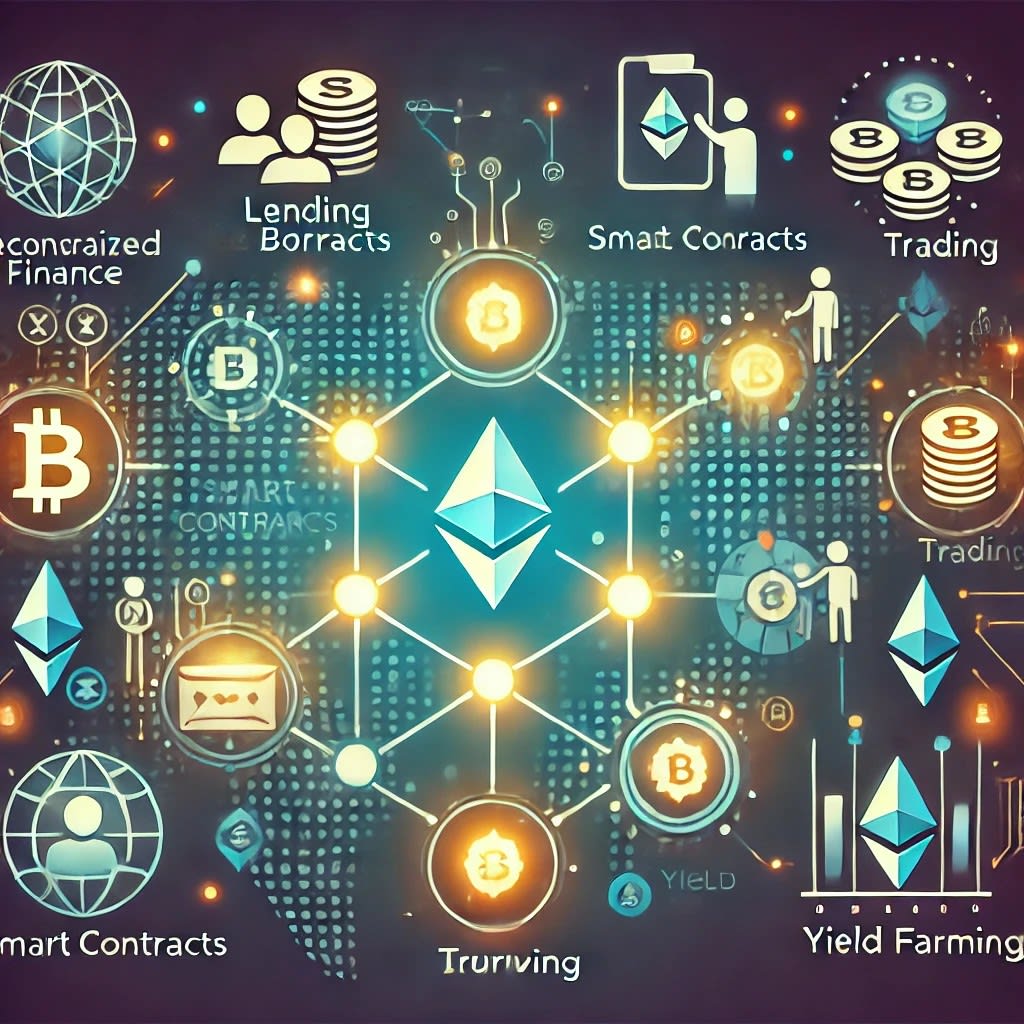
The financial world is undergoing a revolution, and its name is Decentralized Finance, or DeFi. If you’ve heard the buzz but aren’t quite sure what it’s all about, don’t worry—you’re not alone. DeFi has emerged as one of the most exciting and transformative applications of blockchain technology, promising a future where traditional financial systems are reimagined.
This guide will take you through the basics of DeFi, why it matters, and how you can get started.
What Is DeFi?
At its core, DeFi stands for Decentralized Finance. It refers to financial systems and services built on blockchain technology—a system that doesn’t rely on banks, brokers, or intermediaries. Instead, it uses smart contracts, which are self-executing contracts with the terms of the agreement directly written into code.
Why is this important?
Accessibility: DeFi platforms are open to anyone with an internet connection, breaking down barriers like geography and socioeconomic status.
Transparency: Every transaction is recorded on a public blockchain, ensuring transparency and trust.
Control: You remain in control of your assets without needing to trust a third party.
Key Components of DeFi
DeFi isn’t a single app or service—it’s an ecosystem of platforms and tools designed to mimic (and improve upon) traditional financial systems. Here are the main components:
Decentralized Exchanges (DEXs):
Platforms like Uniswap and PancakeSwap allow users to trade cryptocurrencies directly with one another without the need for a centralized exchange.
Lending and Borrowing Protocols:
Services like Aave and Compound enable users to lend their crypto and earn interest or borrow against their holdings without needing a credit score.
Stablecoins:
Cryptocurrencies like USDC and DAI are pegged to the value of fiat currencies, providing stability in the volatile crypto market.
Yield Farming:
By providing liquidity to DeFi platforms, users can earn rewards in the form of additional cryptocurrency.
Insurance:
Platforms like Nexus Mutual offer decentralized insurance to protect against risks like smart contract vulnerabilities.
How Does DeFi Work?
DeFi operates on blockchain networks, primarily Ethereum, although other blockchains like Binance Smart Chain and Solana are gaining traction. The magic happens through smart contracts that execute transactions automatically when specific conditions are met.
Here’s an example:
Imagine you want to lend your cryptocurrency. Instead of going to a bank, you use a DeFi platform. You deposit your crypto into a smart contract, which then allows others to borrow it. In return, you earn interest—all without intermediaries.
Why Is DeFi a Game Changer?
DeFi is shaking up the financial world for several reasons:
Financial Inclusion:
DeFi provides access to financial services for people who are unbanked or underbanked, offering opportunities previously out of reach.
Lower Costs:
By cutting out intermediaries, DeFi reduces fees for transactions, loans, and other financial services.
Innovation:
DeFi introduces new financial products and opportunities, from synthetic assets to decentralized insurance.
Transparency and Security:
Blockchain’s transparency ensures accountability, while decentralization reduces the risk of single points of failure.
Risks and Challenges in DeFi
As revolutionary as DeFi is, it’s not without its risks. Here are a few things to watch out for:
Smart Contract Vulnerabilities:
Bugs or flaws in the code can lead to hacks and losses.
Volatility:
Cryptocurrency prices can fluctuate wildly, impacting the value of your holdings.
Scams and Fraud:
As with any emerging technology, bad actors prey on uninformed users.
Regulatory Uncertainty:
Governments around the world are still figuring out how to regulate DeFi, which could impact its future.
How to Get Started with DeFi
Ready to dip your toes into the DeFi world? Here’s how to begin:
Set Up a Wallet:
Choose a non-custodial wallet like MetaMask, Trust Wallet, or Coinbase Wallet. These wallets give you full control over your private keys.
Buy Cryptocurrency:
Purchase Ethereum or another cryptocurrency on a reputable exchange like Coinbase or Binance. These funds will be your gateway to DeFi platforms.
Explore DeFi Platforms:
Start with trusted platforms like Uniswap for trading, Aave for lending, or Yearn Finance for yield farming.
Educate Yourself:
Read guides, watch tutorials, and join online communities like Reddit or Discord to learn more about DeFi.
Start Small:
Only invest what you can afford to lose. The DeFi space is innovative but still experimental.
The Future of DeFi
The potential of DeFi is immense. As blockchain technology evolves, we can expect even more innovation, scalability, and mainstream adoption. DeFi could redefine how we think about finance, making it more inclusive, efficient, and accessible.
So, are you ready to take control of your financial future? Decentralized Finance isn’t just a trend—it’s a movement that’s here to stay.
About the Creator
Keep reading
More stories from Jay Phoenix and writers in 01 and other communities.
5 Common Cryptocurrency Scams and How to Avoid Them
The world of cryptocurrency is exciting, full of potential, and a playground for innovation. But with great opportunity comes great risk. As the popularity of crypto grows, so does the number of scams designed to exploit newcomers and seasoned investors alike.
By Jay Phoenixabout a year ago in 01
How Digital Engineering and Consulting Services Help Enterprises Modernize Without Rebuilding Everything
Modernizing enterprise technology shouldn’t feel like a demolition project. Yet for many organizations, digital transformation is often perceived as a painful, high-risk exercise that involves ripping out legacy systems, pausing operations, and spending millions before seeing any real value.
By Ian Barnard3 days ago in 01
Exploring the FinTech Innovation Behind Buy Now Pay Later Solutions
Introduction In recent years, Buy Now Pay Later (BNPL) solutions have emerged as one of the most influential innovations in the FinTech ecosystem. By allowing users to split payments into manageable installments, BNPL platforms have changed how consumers interact with digital commerce. What appears simple on the surface is actually powered by a sophisticated mix of financial logic, modern software architecture, and advanced data technologies. Understanding the innovation behind BNPL solutions offers insight into why they have gained rapid global adoption and how they continue to evolve.
By Nayel Basim Al Shehhi4 days ago in 01
The Path to Salvation
The late autumn evening air filled the monk's lungs, but it wasn't the season that chilled his bones. The heavy-handed presence of evil he had sensed upon entering the woods surrounding this mountain village had not bothered to conceal itself from him.
By Made in DNA5 days ago in Fiction


Comments
There are no comments for this story
Be the first to respond and start the conversation.