
8 Electric Chain Hoist Failures and Effective Repair Solutions
Electric Chain Hoist Failures and Repair


Electric chain hoists are essential tools in many industries, offering reliable ifting and material handling capabilities. However, like all mechanical equipment, they can encounter issues that disrupt their functionality. In this comprehensive guide, we will delve into the 8 most common electric chain hoist repair problems and provide you with practical solutions to address them. Whether you’re experiencing unresponsive controls, overheating motors, or directional movement errors, this guide will help you troubleshoot and repair your electric chain hoist efficiently.
Electric Chain Hoist Failure 1: Hoist Operation Unresponsive
- No power: Check the three-phase power breaker, switch, fuse, and connecting cables.
- Incorrect power voltage and frequency: Check if the on-site power voltage and frequency match the specifications on the hoist nameplate.
- Overload: Reduce the load to within the hoist’s rated capacity.
- Incorrect, loose, or damaged internal wiring: Inspect the wiring according to the wiring diagram and replace any damaged cables.
- Hoist motor overload or thermal protection switch activated: Refer to the section on “Motor or Brake Overheating” in this table.
- Brake not releasing:Check the brake coil and replace the brake if necessary.Check the rectifier input/output voltage and replace the rectifier if necessary.
- Contactor malfunction: Inspect the hoist control contactor and its connecting cables. Replace the contactor if necessary.
- Emergency stop switch triggered or pendant control button damaged: Unlock the emergency stop switch by turning it clockwise. Check all pendant control buttons and contacts and replace any faulty components if necessary.
- Transformer malfunction: Check the transformer for signs of overheating or burn damage and inspect the coil windings. Replace the faulty component if necessary.
- Motor burnout: Replace the motor rotor, stator, or other damaged components.
Electric Chain Hoist Failure 2:Hoist Moving in the Wrong Direction
- Incorrect power phase sequence: Check the power phase sequence and swap two of the three-phase power lines.
- Incorrect electrical wiring: Check all wiring according to the electrical wiring diagram.
Electric Chain Hoist Failure 3: Motor or Brake Overheating
- Incorrect voltage or frequency: Check if the on-site power voltage and frequency match the specifications on the hoist nameplate.
- External environment temperature too high: If the ambient temperature exceeds 40℃, reduce the hoist’s operating frequency. Take measures to lower the ambient temperature, such as improving ventilation or moving the hoist away from heat sources.
Electric Chain Hoist Failure 4: Hoist Can Lift But Cannot Lower
- Electrical circuit for lowering is open: Check the reliability of the lowering control circuit wiring and inspect the electronic limit switch on the lowering side.
- Pendant control wire contact is poor: Check the reliability of the pendant control wire core. If the wire core is broken, replace the entire pendant control wire.
- AC contactor malfunction: Check the contactor coil and wiring. Replace the contactor if necessary.
- Pendant control button or contact malfunction: Check if the pendant control button is stuck and if the contacts are faulty. Replace them as needed.
- Chain jamming: Check if the chain can smoothly enter the chain box, and inspect the chain links for any foreign objects. If any damage is found on the chain or the chain guide, replace them promptly.
Electric Chain Hoist Failure 5: Hoist Can Lower but Cannot Lift
- Hoist overload: Reduce the load to within the hoist’s rated capacity.
- Low power voltage: Check if the on-site power voltage and frequency match the specifications on the hoist nameplate. Measure the voltage at the hoist input power terminal block.
- Electrical circuit for lifting is open: Check the reliability of the lifting control circuit wiring and inspect the electronic limit switch on the lifting side.
- Pendant control wire contact is poor: Check the reliability of the pendant control wire core. If the wire core is broken, replace the entire pendant control wire.
- AC contactor malfunction: Check the contactor coil and wiring. Replace the contactor if necessary.
- Friction clutch malfunction: Inspect the clutch settings or replace it.
- Chain jamming: Check if the chain can smoothly enter the chain box, and inspect the chain links for any foreign objects. If any damage is found on the chain or the chain guide, replace them promptly.
Electric Chain Hoist Failure 6: Unable to Lift Rated Load or Achieve Normal Lifting Speed
- Hoist overload: Reduce the load to within the hoist’s rated capacity.
- Low power voltage: Check if the on-site power voltage and frequency match the specifications on the hoist nameplate. Measure the voltage at the hoist input power terminal block.
- Friction clutch malfunction: Inspect the clutch settings or replace it.
- Chain jamming: Check if the chain can smoothly enter the chain box, and inspect the chain links for any foreign objects. If any damage is found on the chain or the chain guide, replace them promptly.
Electric Chain Hoist Failure 7: Hoist Drifts after Stopping
- Brake not engaging: Check the brake status and its “gap” value. Replace it as needed.
- Hoist overload: Reduce the load to within the hoist’s rated capacity.
- Exceeding duty cycle: Lower the hoist duty cycle.
Electric Chain Hoist Failure 8: Periodic Control Failure of the Hoist
- Contactor contact is poor: Check if the contactor contacts are burnt and replace them if necessary.
- Poor cable contact: Inspect all cables and terminal blocks and replace them as needed.
- Pendant control button or contact poor contact: Check if the pendant control button is stuck and if the contacts are faulty. Replace them as needed.
Note:
- Inspections and repairs must be carried out by trained professionals.
- Be aware that the electrical components of the hoist involve high-voltage connections; take precautions to prevent electric shock, which can result in serious injury or death.
- Always disconnect the power supply before performing inspections and repairs.
- Clearly mark the area with “Under Inspection” signs.
- Do not perform inspections or repairs while the hoist is under load.
By understanding and addressing these common electric chain hoist repair issues, you can extend the lifespan of your equipment and ensure smooth, efficient operations. Regular maintenance and timely repairs not only prevent costly downtime but also enhance safety in your workplace. As a leading manufacturer of cranes and electric hoists, Dafang Crane is committed to providing top-quality products designed for durability and performance. Explore our range of advanced lifting solutions on our website, and discover how our innovative hoists and cranes can meet your material handling needs with unmatched reliability.
About the Creator
Dafang Crane
A manufacturing and trading combo for crane industry, with more than 17 years full experience and a professional sales team. main product: overhead crane, gantry crane, jib crane, hoist and crane spares, such as wheel, hook, pulley, etc.
Keep reading
More stories from Dafang Crane and writers in 01 and other communities.
Harbour Portal Crane Slewing Bearing: Causes of Failure and Effective Repair Solutions
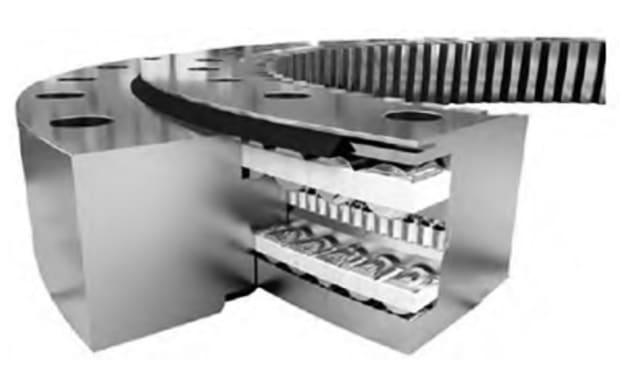
No matter what type of crane it is, there will be harbour portal crane slewing bearing. It is an important part of the crane structure. harbour portal crane slewing bearing can not only keep the crane stable and safe during operation but also improve its work efficiency. Naturally, there will inevitably be failures. To ensure the performance of the crane during use, it is necessary to analyze the cause of the failure and propose targeted modification methods.
By Dafang Craneabout a year ago in 01
How to Fix 400 Bad Request Error Fast (3 Simple Steps)
Ever hit a sudden bad page and wondered why your browser can't talk to the site? A 400 malformed request error happens when the server refuses a client-side input it can’t parse. In plain terms, your browser sent a broken or corrupted request that the site could not understand.
By Majed Alzhrani2 days ago in 01
A Knight of the Seven Kingdoms Series Review (Season 1)
As one of the biggest properties in fantasy, A Song of Ice and Fire remains immensely popular with audiences. After reaching far into the past with House of the Dragon, a second spin-off was on the cards. A Knight of the Seven Kingdoms serves up a bite-sized slice of action and drama, but it still claims a spot among the best small-screen titles.
By Robert Cain7 days ago in Geeks



Comments
There are no comments for this story
Be the first to respond and start the conversation.