
5 Reasons to Transform Your PDF to Video Today
PDF to Video
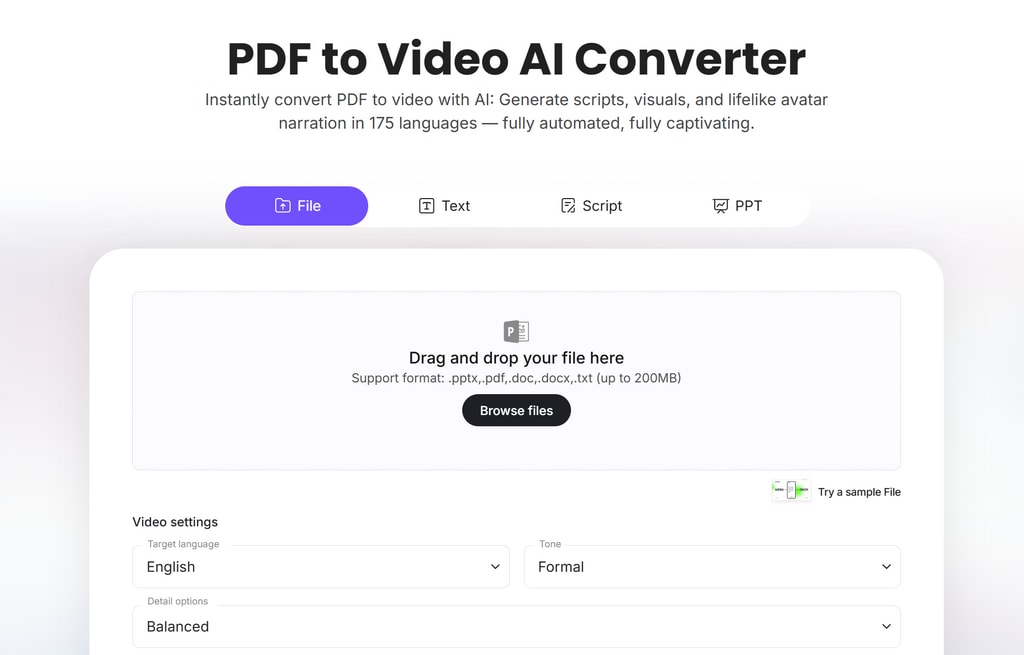
In an era defined by scrolling feeds and fleeting attention spans, clinging to legacy document formats can undermine how effectively information is communicated. If you are struggling to present complex ideas clearly, transforming a PDF to video can be a powerful alternative. Converting static documents into dynamic multimedia presentations can significantly improve how organizations share knowledge.
Throughout many organizations, resistance to video often comes from perceived barriers: it takes too long, costs too much, and requires specialized skills. As a result, many teams continue relying on long documents even when engagement metrics remain low. Creating a document may be simple, but motivating someone to read it from start to finish can be difficult. Advances in artificial intelligence have significantly reduced the barriers to producing multimedia content, and tools such as Leadde AI illustrate how accessible video creation has become.
If you are still distributing long-form text documents, here are five reasons to consider converting your PDFs into video content.
1. Higher Cognitive Retention
The human brain processes visual information faster and more efficiently than text. Video provides a multi-sensory learning experience that combines audio, visuals, and pacing.
Instead of requiring readers to interpret large blocks of text on their own, a video can guide the viewer through the information. Narration structures the pacing while visual elements highlight key ideas at the right moment. When visuals, voice, and timing work together, viewers often find it easier to understand and remember the message compared with reading dense documents.
2. Multilingual Accessibility
Organizations operating across multiple regions often face language barriers when distributing training or informational materials. Producing localized versions of documents or videos traditionally requires significant time and cost.
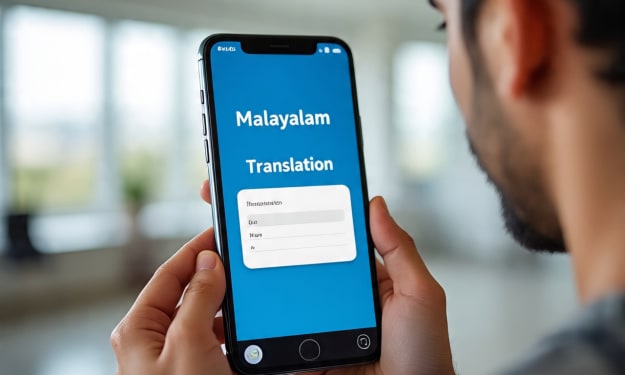
Modern AI-driven solutions can help translate content and generate narration in multiple languages. This makes it easier to deliver training materials globally when converting a PDF to video, ensuring consistent communication across teams and locations.
3. Automated Content Summarization
One of the most time-consuming aspects of creating a video from a document is developing the script. Converting a long report or manual into a concise presentation requires careful summarization and restructuring.
Natural language processing technologies can assist by analyzing documents, identifying key headings and ideas, and generating structured summaries. Platforms such as Leadde AI demonstrate how automated summarization tools can help transform dense documents into clear, conversational scripts suitable for video presentations.
4. Interactive Learning Opportunities
A traditional PDF is largely a one-way communication format. Even standard videos often provide limited interaction.
Modern digital learning environments can add interactive elements such as embedded questions, searchable transcripts, and contextual assistance. When organizations convert a PDF to video, these features can help viewers engage more actively with the material and turn passive viewing into a more personalized learning experience.
5. Faster Content Updates
Traditional video production workflows—writing scripts, recording voiceovers, editing footage, and rendering the final product—can take considerable time.
Newer production approaches allow teams to update content more quickly by editing scripts and regenerating narration or visuals without rebuilding the entire video. With modern AI tools like Leadde AI, teams can experiment with faster multimedia workflows and keep educational materials updated as policies, products, or market conditions evolve.
The Future of Organizational Knowledge
As communication habits continue to shift toward visual and multimedia formats, organizations are exploring new ways to present information effectively. While text documents remain useful in many contexts, combining them with multimedia formats—such as converting a PDF to video—can improve accessibility, engagement, and comprehension.
By leveraging modern tools that assist with summarization, translation, and multimedia creation, organizations can experiment with new approaches to sharing knowledge and communicating complex ideas.
About the Creator
Reducing AI Integration Failures by 40% With the Right Generative AI Consulting Partner
In the rush to adopt cutting-edge technologies, many organizations have jumped into artificial intelligence projects without a solid strategy, experienced guidance, or realistic expectations. As a result, a growing number of businesses report stalled initiatives, failed integrations, or tools that never deliver meaningful ROI. But when organizations align with the right generative ai consulting services, the narrative changes — often dramatically. With expert support, companies can reduce AI integration failures by up to 40% and unlock the full potential of intelligent systems.
By Steve Waugh3 days ago in 01
Georges Chahwan: The Marketing Director Redefining Performance Strategy in Healthcare Staffing
In the competitive world of healthcare staffing, standing out requires more than a polished brand. It demands a marketing engine built on strategy, data, and relentless execution. Georges Chahwan, Marketing Director at ProMed Staffing Resources, has spent years engineering exactly that kind of engine. His approach combines technical SEO, digital advertising, and personalized email marketing into a cohesive system that doesn't just attract attention it converts.
By Jeffrey D. Gross MDa day ago in 01


Comments
There are no comments for this story
Be the first to respond and start the conversation.