
10 Maintenance Strategies for Optimal Amine Plant Performance
Essential Maintenance Strategies to Maximize Efficiency and Longevity in Amine Gas Treating Plants

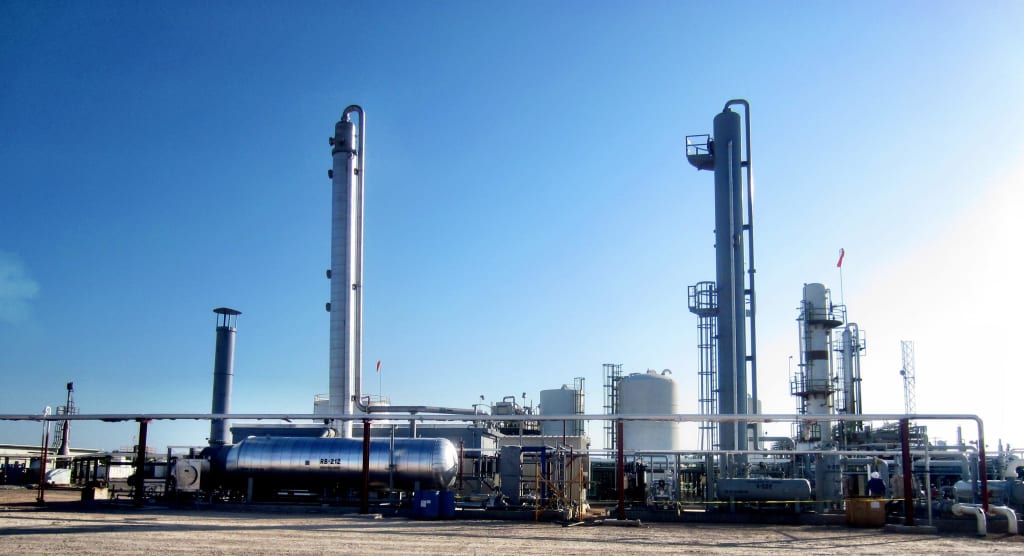
An amine plant is crucial in gas processing, particularly in gas sweetening and carbon dioxide removal. A consistent and effective maintenance strategy ensures these plants run smoothly and efficiently. Regular upkeep not only extends the life of the equipment but also improves the overall operational performance of the plant. This article outlines 10 key maintenance strategies to help operators optimize their Amine processing facilities.
Regular Inspection of Amine Pumps and Compressors
Amine pumps and compressors are the heartbeat of any Amine processing facility. Regular inspections are critical to avoid unexpected breakdowns. Check for wear and tear, abnormal vibrations, or leaks. Examine seals, gaskets, and bearings to ensure they function properly. Frequent lubrication and alignment checks should also be scheduled to prevent mechanical failures. By conducting routine inspections, you can identify issues early and implement repairs before they cause significant disruptions. This proactive approach increases reliability and minimizes downtime.
Effective Heat Exchanger Cleaning and Maintenance
Heat exchangers are essential for maintaining the plant's energy efficiency. Over time, fouling in heat exchangers can reduce efficiency and increase energy consumption. To counter this, implement a cleaning schedule based on fouling severity. Chemical or physical cleaning methods should be used for minor deposits or more stubborn blockages. Regular cleaning prevents heat exchanger inefficiencies that can affect the plant's performance. Furthermore, maintaining the heat exchanger's optimal condition improves heat transfer rates and reduces operational costs.
Monitoring and Managing Amine Solution Quality
Maintaining the quality of the amine solution is vital for the amine treating plant performance. Degradation, contamination, or excessive impurities can reduce the solution's effectiveness. Therefore, the solution should be tested regularly for degradation products, such as heat-stable salts and particulate matter. Adjust the chemical balance as needed to maintain its absorption efficiency. Removing contaminants like hydrocarbons or other impurities also ensures the amine solution performs optimally. Implementing frequent analysis and filtration of the solution helps maintain its strength and extends its life.
Preventing Corrosion in Piping and Vessels
Corrosion is a significant risk in an amine plant, especially in pipes and vessels. If not managed effectively, it can lead to costly repairs and unplanned shutdowns. Regularly inspect piping and vessels for signs of corrosion. Implement anti-corrosion measures such as protective coatings or corrosion inhibitors in your amine system. Furthermore, ensure that pH levels are maintained within an optimal range to reduce the risk of corrosion. By addressing corrosion early, you can protect your plant's infrastructure and avoid unnecessary downtime.
Maintaining Proper Filtration Systems
Filtration systems are vital for removing particulate matter and contaminants from amine solutions. Over time, filters can become clogged, reducing their effectiveness. Regularly check and replace filters to ensure the system operates efficiently. Additionally, upgrading to higher-efficiency filters can further reduce the presence of impurities in the solution. Consistent filtration system maintenance keeps the amine solution clean and prevents blockages that could damage equipment. This approach also improves overall plant efficiency by minimizing downtime caused by filter-related issues.
Routine Calibration of Pressure and Temperature Control Instruments
Precise control of pressure and temperature is crucial for efficient plant operations. Instruments that regulate these parameters can drift over time, leading to inaccurate readings. To prevent this, routine calibrations are performed on all control instruments. Calibration ensures the sensors and gauges provide accurate data, allowing operators to maintain optimal operating conditions. Furthermore, well-calibrated instruments prevent process deviations that impact plant performance. Regular calibration keeps the plant running smoothly and ensures safety standards are met.
Implementing Preventive Maintenance
Amine regeneration systems are key in maintaining the amine solution's effectiveness. To avoid breakdowns, develop a preventive maintenance schedule for these systems. Inspect reboilers, condensers, and flash drums regularly to detect potential issues. Check for scaling, fouling, or mechanical wear hindering regeneration efficiency. Additionally, ensure that temperature controls within the regeneration process are functioning properly. By implementing preventive maintenance, you can enhance the regeneration system's efficiency and extend the life of your amine solution.
Addressing Foaming Issues in Amine Contactors
Foaming in amine contactors can lead to operational inefficiencies and equipment damage. Regularly monitor the contractors for signs of foaming and take corrective actions promptly. If necessary, Introduce anti-foaming agents and ensure the solution's chemical balance is correct. Additionally, check for hydrocarbon contamination, as it often contributes to foaming. Keeping the contactors clean and contaminant-free helps prevent foaming, ensuring smooth plant operations. By addressing foaming issues early, you can avoid performance dips and protect your equipment.
Regular Maintenance of Gas Sweetening Towers
Gas sweetening towers are critical in removing hydrogen sulfide and carbon dioxide from natural gas. To maintain their efficiency, schedule routine inspections and cleaning. Check for blockages, corrosion, or scaling that may impact gas flow. Additionally, monitor the packing material to ensure it remains intact and effective. Regular maintenance of the gas sweetening towers enhances gas absorption efficiency and prolongs the life of the equipment. Keeping the towers in optimal condition ensures continuous and efficient gas processing, including effective dew point control.
Optimizing Downtime
Planned downtime is an opportunity to perform comprehensive maintenance and equipment overhauls. Use this time to inspect all major components, including pumps, compressors, and heat exchangers. Additionally, worn-out parts and outdated systems should be replaced to improve efficiency. By strategically scheduling downtime, you can minimize the impact on production while maximizing maintenance efforts. Furthermore, optimizing downtime ensures the plant operates efficiently when it resumes, reducing the likelihood of future breakdowns.
Conclusion
Effective maintenance is key to ensuring the optimal performance of an amine plant. By following these 10 strategies, operators can enhance efficiency, reduce downtime, and extend the life of critical components. Regular inspections, proactive maintenance, and monitoring of key systems will keep the plant running smoothly and safely. In conclusion, a well-maintained Amine processing facility not only operates more efficiently but also delivers better results over the long term.
About the Creator
Johnson
With a deep love for words and a flair for creativity, I specialize in transforming ideas into engaging, impactful content. My writing journey spans over 5 years, during which I’ve honed the ability to craft everything.
Your Startup Website Will Break. The Only Question Is When
If you spend time around early-stage companies, you start to notice a pattern. The website is treated like a logo or a pitch deck: something you “get done” so you can move on to product, sales, and growth. It launches, it looks fine, it converts well enough, and nobody wants to touch it.
By Valeriia Shulgaabout 20 hours ago in 01
Clawdbot Rebranded to Moltbot: Here’s What You Need to Know
Cloudbot doesn’t technically exist anymore. Instead, it has evolved into something new: Moldbot. Now, if you’re anything like me, your first reaction was probably a mix of confusion and concern. Why did this happen? What does it mean for existing installations? And most importantly, is everything you’ve already set up still going to work?
By Info Post Gateabout 24 hours ago in 01



Comments
There are no comments for this story
Be the first to respond and start the conversation.