
Do Covid Vaccines Affect My Fertility?
Coronavirus and fertility
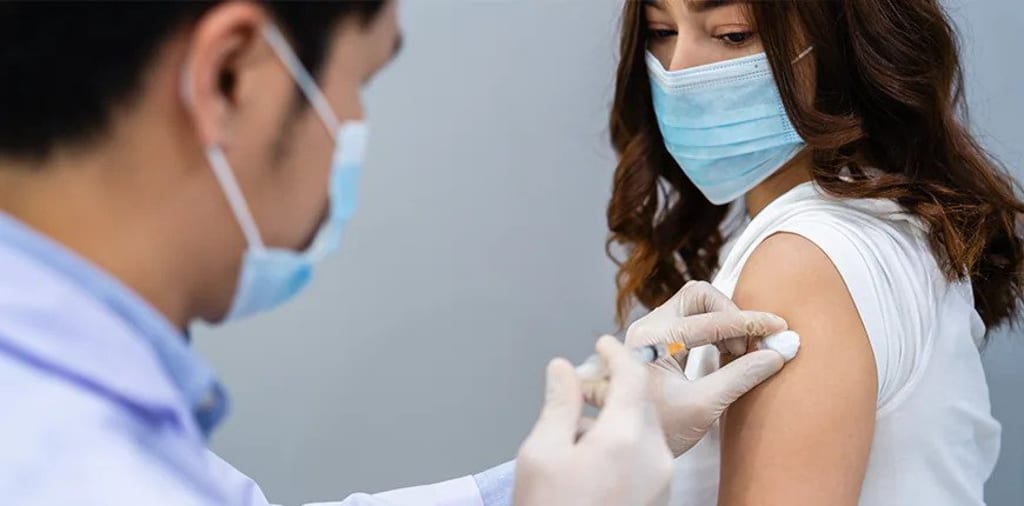
Right after the authorities approved COVID 19 vaccines for community use in the country, an air of myth and uncertainty has surrounded the efficacy and safety of these vaccines. Some of them are sensitive concerns and still linger on. One such claim is that COVID vaccines may contribute to infertility in men and women, while the information is far from the truth, as far as recent evidence suggests
Amidst much skepticism about COVID vaccines interfering with fertility, scientists state that vaccines in no way negatively impact reproductive health and there is no evidence to say that vaccines contribute to pregnancy loss or fertility issues. The vaccines do not have any hormonal aspect to them that can interfere with reproductive capacity. The rampant spread of misleading information has led to a lot of vaccine hesitancy which needs to be cleared in order to fight the pandemic.
Table Of Content
Covid 19 and fertility
What do the experts say
How does Covid 19 affect fertility if it does.
How are clinics maintaining safety
How can the patient visiting IVF clinic make themselves safe — precautions, vaccination for eligible candidates, hygiene, and choosing clinics prioritizing patient safety.
What do experts say?
All this started off with a report on social media that pointed towards a concern that the spike protein found on the surface of the coronavirus was identical to the one that participates in pregnancy and when the vaccine is taken, the body produces antibodies that would reject the placenta and impede fertility. Research showed that the information was not true and the two entities do not have vast similarity and also that a vaccine cannot contribute to infertility in any way.
Experts in the field say that so far, there is no evidence to say that vaccines might contribute to infertility. So far, we have 3 vaccines approved for use- the COVAXIN, COVISHIELD and Sputnik V.
All vaccines are extensively tested for safety and efficacy before recommended for use at large. These include multiple phases of clinical trials , observing the impact it has on the various systems, which includes reproductive abilities as well. Animal trials followed by human trials are conducted to ensure safety. And also, the vaccines may be relatively new, but the science or technology behind the manufacture of the vaccines have been around for a very long time.
The Centre for Disease Control and Prevention (CDC), USA conducted a trial to observe if vaccines affect fertility and found no correlation among the vaccine use and infertility. As per CDC reports, women who participated in the vaccine trials have conceived successfully and delivered safely The University of Miami conducted a study to see if vaccines affected male fertility. The quality of semen was assessed after the vaccine use and found no significant change in the parameters.
Does Covid 19 affect fertility?
As someone planning to conceive and dealing with the trauma of infertility, it can be doubly concerning to understand if COVID 19 may cause infertility. COVID 19 is a condition that causes infection and inflammation inside the body. To understand coronavirus and fertility, lets go back and point to the fact that during any viral attack, some functions of the body can be impaired and their efficiency may decrease. This is true of COVID also. The virus causes fever, inflammation and a host of other symptoms due to the physiological response of the body to fight the virus and win the war against it.
As a part of this reproductive health may be impacted. In males, the impact of coronavirus on fertility is linked to the production of sperms which decreases by about 50% following an infection. It takes about 10- 12 weeks or 70 days for the sperms to regenerate and so, a semen analysis done for a period of up to 3 months will show concerning results. With a COVID infection, the quality of semen , motility , etc decreases . But this change is only temporary and the parameters return to normal after recovery. Studies have found that the testes contains the virus for up to 6- 7 weeks after the infection.
In females, the effect of coronavirus on fertility is brought about by ACE 2 called the Angiotensin converting enzyme plays a vital role in follicular development, ovulation and other mechanisms necessary for the implantation of the embryo. The SARS CoV virus binds to the ACE 2 receptor and may impede egg quality and affect fertility. It becomes very vital to protect the fertility of women during the pandemic and the American society of reproductive medicine continues to recommend vaccinating women of child bearing age and pregnant mothers to preserve fertility. This comes at a time when we are not sure of the long term effects of the virus yet, especially in women.
Along with the disease, the stress due to a COVID infection- the fear of isolation and concerns about the unborn baby may cause pregnant mothers to experience changes and increase the chances of a premature birth and risk during delivery.
How are clinics maintaining safety?
Inorder to deliver quality care with the utmost safety, clinics are extending their measures more than ever to make sure that patients who step in feel extremely safe and cared for in a clinic environment. They take a host of measures in this regard to avoid undue stress and panic to the visitors
Comply with expert guidance from the WHO and state bodies to make sure the environment is maintained
Extra measures to ensure hygiene and disinfection and maintaining rigorous cleaning standards
Make sure that high touch and high risk surfaces such as the doors, restrooms,lobbies, waiting lounge, furniture etc are sanitized from time to time
High traffic areas such as chairs, holding rails are disinfected on a periodic basis.
Maintain a safe distance among patients in the waiting areas
Many places now offer online check in facilities so as to avoid overcrowding
Limit the number of patients who visit in person and encourage tele consulting as much as possible.
Thermal screening of every visitor on entering. If anyone is found to be symptomatic or show changes in parameters, they are diverted to the right care as soon as possible.
Maintain double masking and sanitizing regulations inside the clinic
Limit visitors accompanying the patient such as family and friends
If you are considering IVF to enhance your fertility, experts at IVF suggest that you carry on with the decision as age can be a critical factor in deciding the success of your cycle. The pandemic need not be a reason to delay your journey to conceive and receive the much needed intervention to be proud parents soon.
How can patients visiting IVF clinics make themselves safe?
Even though healthcare settings are sanitized environments, they can be an easy source of infection too. It is imperative for patients to understand that they need to cooperate with the clinics guidelines to make sure that all are safe
Do not take more people with you than necessary
Stick to double masking and sanitizing
Maintain a safe distance in the waiting area
Report any history of fever within the past few days
Avoid retouching surfaces such as doors, handles, rails etc
Comply and follow the doctor’s advice
Avoid taking children and the elderly to accompany you
Try as much as possible to get a teleconsult from home
Travel in you own vehicle as much as possible
Consider getting vaccinated after consulting your doctor
Let not COVID panic you. This will only add to the stress and impair health negatively. Stay informed, stay safe and follow the doctors guidelines and comply with the clinic’s instructions about getting vaccinated and stepping in for a consultation. IVF junction is a great platform that directs you to the right care and facility with respect to fertility issues, options and any questions that you might have.
Listen to our experts from IVF junction talk about this: here.
IVF junction Knowledge Hub and IVF Junction Support Forum help you hear from the experts and get your queries answered.
Source : https://ivfjunction.com/blog/do-covid-vaccines-affect-my-fertility/
About the Creator
Keep reading
More stories from Ivfjunction and writers in Humans and other communities.
Is it safe to consider IVF treatment during the Covid Pandemic?
During the course of the past few years, infertility has been on the rise. Ever-increasing stress, exposure to pollutants, work pressure and fast-paced lifestyles have led to a constant increase in cases of infertility worldwide. Fertility treatment is a stressful situation for couples and a global pandemic adds to the list of stressors that a couple facing infertility may face already.
By Ivfjunction4 years ago in Humans
The Longest Night: The Construction Worker, The Ledge, and the Nine-Hour Vigil
The true story of Michael O'Rourke, a construction worker who spent nine hours on a Brooklyn rooftop talking a suicidal woman down from a ledge, proving the power of simple human presence.
By Frank Massey about 12 hours ago in Humans




Comments
There are no comments for this story
Be the first to respond and start the conversation.